30 Of The Most Powerful Images Ever – Eye Opening Info | Eye Opening Info.
30 Of The Most Powerful Images Ever – Eye Opening Info | Eye Opening Info
Reply

My first thought when I see the Iron Man Triathlon on television is, “why would anyone want to do that?” Physically, even when I was in the best condition of my life, I could not have done it, although if I’d trained hard enough, maybe, just maybe, I could have pulled it off. Mentally, though? Nope. I’d better figure it out now, though.
My first novel is finally out on the Amazon and Barnes and Noble websites. I woke up the next day still me, with no unicorns and rainbows shooting from my eyes. I am grateful, humbled, apprehensive, and proud all at the same time. I know I still have much to learn. I am dedicated to continue to improve my craft and undertake the work it will entail.
The business side of publishing is daunting and bewildering, and a part of me wants to just make it disappear. Shut my eyes like a four year old and it’s not there anymore. I’ve been focused on writing and ignored the marketing and promotional side of things, which is very dangerous if you want to make a living as a writer. On the other hand, I don’t ever want to become “that guy,” the one who spams with relentless ferocity until people want to shoot him in the throat. So I won’t be doing that.
Writing books is more like a triathlon than a sprint. There is the storytelling side of it, which is the most fun. That’s where the ideas come flowing out, and they are still shiny and new and you get to pick and choose. It’s an organic thing, even if you are a plotter and you are working on an outline. The story comes out and it is glorious. Then comes the writing, which is where the words on the page come out. It’s not quite the same as storytelling, although it can be a part of the process. You have to worry about voice, pacing, syntax and word choice. The writing is a blast, too, though. Not quite as free-wheeling as the storytelling, yet more satisfying because the characters, conflicts and settings are coming to life as you churn out the words. And then there is the marketing and promotion, which to most writers, including me, is less than fun. That last leg of the race is painful, crucial, and long. It seems to demand I utilize muscles I don’t really want to use as a writer. It’s running a marathon when you’re already exhausted, and it’s the difference between . 
finishing the race and dropping out in agony.
I guess I’d better dig down deep, ’cause I ain’t quitting.
A ranty, political post…
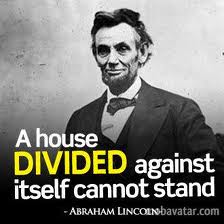
Thomas Jefferson wrote that “the sheep are happier unto themselves than under the care of the wolves.” America is under attack, and while China is scary, they are not the greatest threat to our way of life, nor are terrorists or Russia. We have become our own worst enemy. Political, economic and racial rifts within the United States are like tectonic plates, storing up pressure and eagerly awaiting an earthquake. Unless the tension is relived, the ensuing chaos could consume us all.
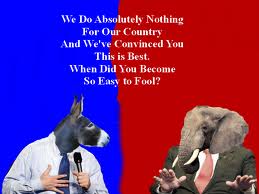
Politics touches on the economic and racial problems. Politics touch a raw nerve, but the solution to the nation’s problems are less about politics than about community, common sense, and communication. I have many friends who are liberal and many who are conservative, and most of them don’t get nasty when it comes to discussing politics because they are able to see beyond the virulent rhetoric spewed in the media and by extremists on both sides. Compromise, not polarization is the solution.
The battle between conservatives and liberals has been waged since before the Constitution was ratified, and is not inherently destructive. There is a natural pendulum which swings back and forth, and our leaders should reflect the will of the people. The problem now is that politicians are so entrenched within party positions and dogma, compromise is almost impossible. We now have the most statistically ineffective Congress in U.S. history, and this is a reflection of the deeper problems within a divided nation.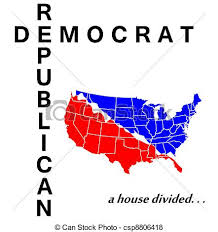
The top 1% has turned the nation against itself with a genius Jedi Mind Trick. They have convinced the middle class that a class war is being waged against them by the lower class, and therefore the middle class should side with the jet set. Meanwhile CEOs write themselves million dollar bonus checks, ship jobs overseas, and manage to pay almost nothing in taxes. Some of the wealthiest international corporations are posting profits of more than a billion dollars, and have zero tax liability. Yet plenty of hard working, middle class people side with the yacht class. Go figure. It’s all a sleight of hand.
To distract us from the real issues, the corporate cabal zeros in on gun rights, abortion, entitlements, and a flagging economy while at the same time counting their money over cigars and Scotch on private jets. Meanwhile, the middle class battles against itself in between episodes of American Idol and Desperate Housewives. If indeed there is class warfare being waged, there is no doubt about who is winning and who is losing.
Reasoned, intelligent debate has been replaced by personal attacks, knee-jerk reactions, and sensationalized news which is designed to manipulate rather than inform.
The wolves are among us, and we need to open our eyes. Otherwise, we will eat ourselves.
A common truism for writers is that we should “write what we know.” I find this stifling. I’ve never served in the military, but I write about war. Authors like Tom Clancy pulled it off, but how can I really capture the feel of what it is like to be in combat when I’ve never been there myself? I am certain I make mistakes, but I do a whole lot of research. I read interviews and books written by soldiers who have been in the thick of it, and watch copious amounts of combat footage and documentaries. I listen to soldiers who are willing to talk about their experiences. I have nothing but respect and admiration for our troops, and I sometimes feel like a fraud trying to depict the emotions, the smells, and the sound of battle. Here is a list of some of the books I’ve used as research material, and my take on those books.
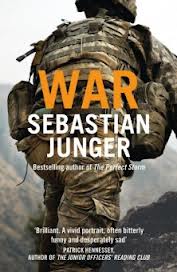
War, by Sebastian Junger, is fantastic. Junger wrote the book after spending months with troops in a remote outpost in Afghanistan. He went on patrols with these men, and filmed hundreds of hours of footage. He came under frequent fire and was almost killed more than once; many of the soldiers he was with were killed or wounded. The book is detailed, gritty, hopeful, and tragic. The documentary he filmed during that time, Restrepo, is outstanding as well.
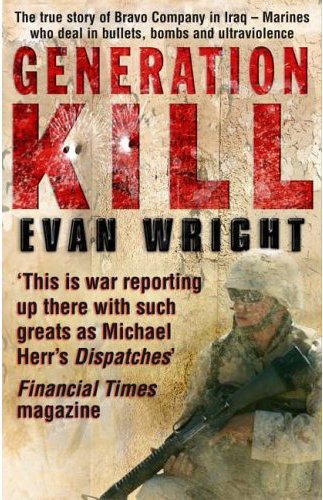
Generation Kill, by journalist Evan Wright, is about a group of Recon Marines at the tip of the spear during the second Iraq war. These elite soldiers drove into towns in lightly armored Hummers with the purpose of triggering ambushes. The book is a monument to the heart and soul of our fighting men and women, but it also highlights the dangers of inept commanders.
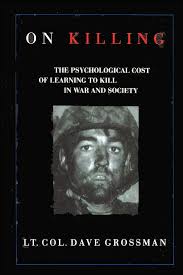
On Killing is taught at West Point and Quantico. Lt. Colonel Dave Grossman interviewed hundreds of men who had been in combat for this chilling book, and delves into the psychology of killing. What does it take to kill a man? How does it feel, before, afterwards, and during. How does the military train our soldiers to overcome the natural aversion to taking another human life?
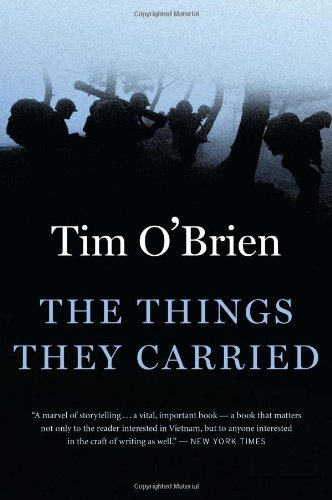
,The Things They Carried, by Tim O’Brien is poetic and shattering. O’Brien served in Vietnam, and this novel brings that war to life. It is not only the best book about war I’ve read, it’s one of the best novels I’ve read. I can’t recommend it enough. O’Brien writes so well, he makes me want to give up!
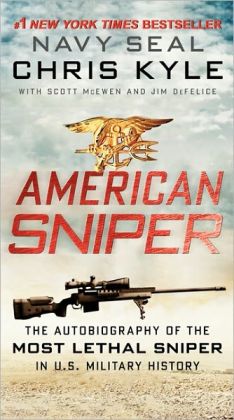
American Sniper, by Kris Kyle lacks the poetry of some of these other books, but it is written by SEAL with more confirmed sniper kills than any other American in history. There is no remorse, only recoil. I am glad Kyle was on our side. The author was killed last year by a soldier he was trying to help.
The Wrath series begins with World War III, and while the books contain a great deal of fighting and violence, I would like to think that they are about the nature of good and evil in all of humanity. The great books about war, from Tolstoy to Hemingway, are less about technology and explosions and more about emotion and loss and consequences. I’m striving for that with my writing, but I am utterly humbled by the writers who have succeeded.
I recently had dinner with an uncle I had not seen in about four years, and the first thing he said was “Wow! You’re old!. Shave the beard, man.”
My wife noted that I should have replied, “well, you’ll always be older.”
But I wear the gray without shame, and indeed a kind of pride, for the salt and pepper and the emergent wrinkles are earned. Some years are harder than others, and the last few have been especially tough. I’ve aged. Stress, two jobs, four kids, and unrequited dreams will leave a mark upon any man. I accept it.
While I miss the physical strength and regenerative prowess of my youth, I can look in the mirror and grin at the gray. I’ve made it this far; I can keep going. Wiser, more compassionate, more faithful than I was in my younger years. I appreciate life more than I did, and as time grows shorter, I am conscious of the fleeting preciousness of it. The hard times still grind, yet there is hope in me for those moments of peace and sunshine, and as I grow long in the tooth, I hope to find more of them.
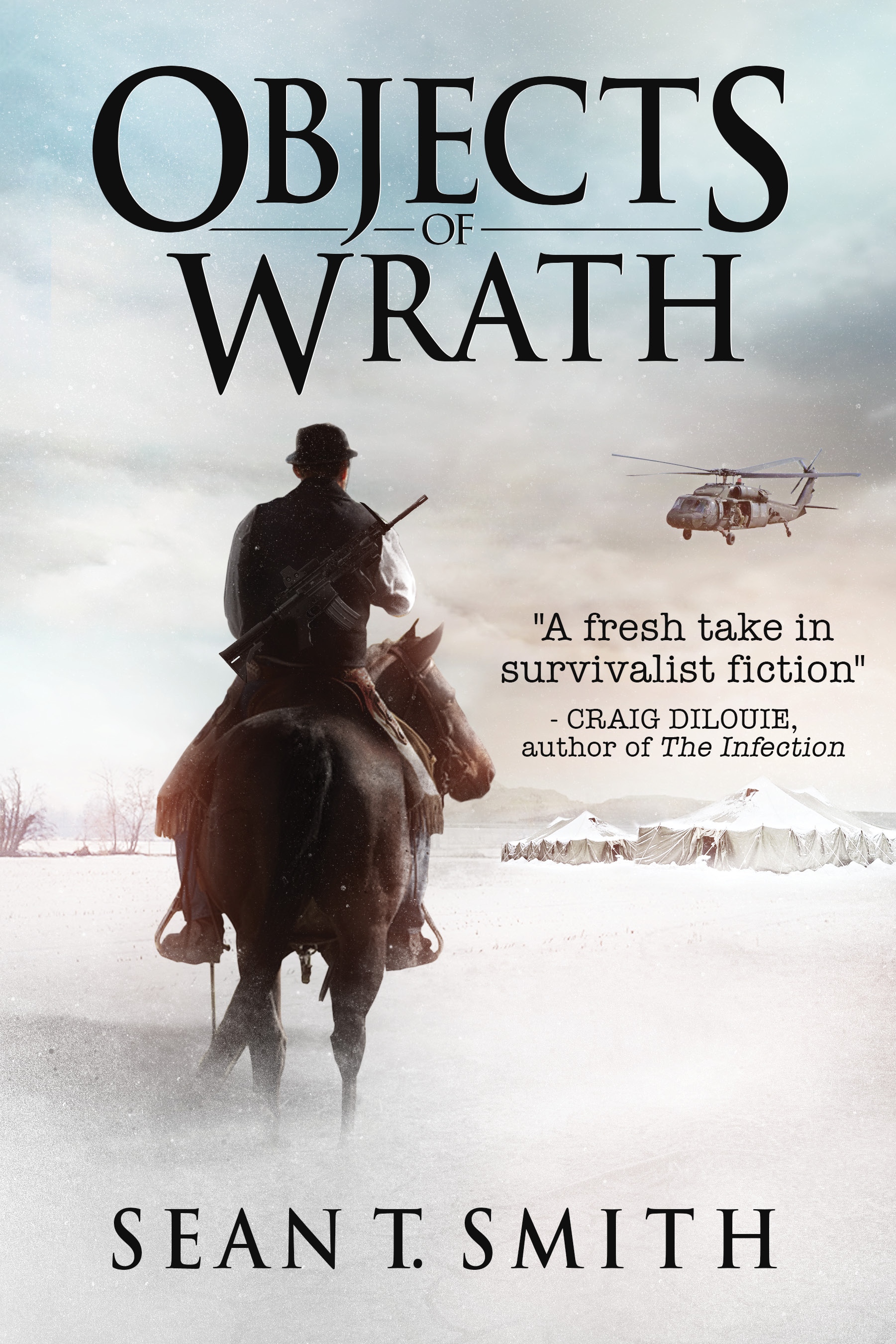
Objects of Wrath will be released in a couple of weeks, and I’m thrilled, humbled, and grateful in a way I would not have been ten or twenty years ago.
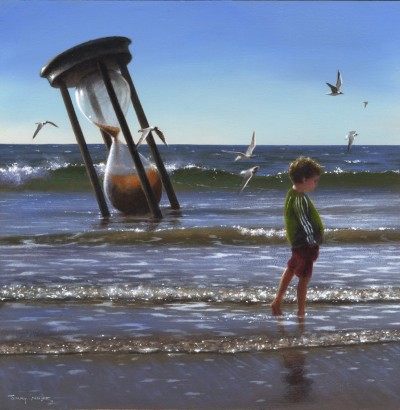
The gray is earned, a constant reminder of the sand in the hourglass. I’ve put in the work and the years. I won’t be shaving my beard.
In Henry’s eyes then, his father was granite, solid rock, unbreakable, unchangeable, and strong in the way of a proud mountain. The lens of hope and faith filtered out the cracks and fissures, the broken blood vessels on Papa’s wind burned face, and the hurting eyes of a man eroded, but not yet completely worn smooth. Blasted by hard years, bad luck, and the love for the wrong woman, Papa was undefeated.
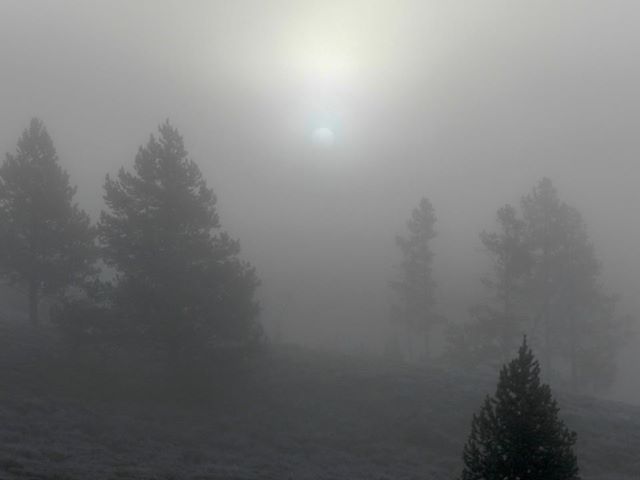
It’s two AM and you’ve got a body in your trunk. Now what?
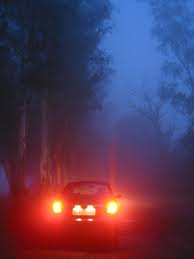
Some folks would immediately say, “well, we go to the nearest police station and turn ourselves in.” And I say to those gentle people, good for you. But You guys should stop reading now. For everyone else, it’s a fair question.
There are three people on earth I’d walk out into the swamp with, or take a trip out into a foggy sea armed with cement blocks and unanswered questions. I’d do it for them because I trusted them. I’d risk my future and my happiness and that of my children for loyalty and honor. That’s not smart, but that’s me. And maybe they wouldn’t do the same for me. I think they would, but, really, it doesn’t matter. I couldn’t blame them if they didn’t. I hope I never find out.
I have discovered I’m lucky. I’ve got a few good friends.They’ve chastised, advised, cajoled, pontificated, and sacrificed. They have made me a better man. They gave me hope when I was desolate, a smile when my own was lost, and all three of them grabbed me by the wrist when I was drowning and pulled me toward the light.

These are friends. The people in the trenches and quagmires next to you, and sometimes you lift them up and sometimes they lift you, and when the mud is gone and the years haven’t quite washed it all away, that’s how you know.
Through the mud and the crud and the years. I’ve got three friends I’d bust out a shovel for. If they wouldn’t do the same for me, then, that’s all right, I understand. But they know who I am, and they know, that if they banged on my door in the middle of the night they’d greet a death eating grin and strong back
It’s two AM and you’ve got a body in the trunk. What would you do?
Wrath is coming….February 25 from Permuted Press
Paul Mannering, the highly acclaimed Australian author of Tankbread calls Objects of Wrath
“A nuclear apocalypse coming of age story that is destined to be a classic.”
Thank you, Paul, Craig, and James!!
There is some wisdom here. I love Hemingway, and this is some insight into the mechanics of his work.
This is a copy of the style sheet Ernest Hemingway used while working at The Kansas City Star early in his career as a writer.
It’s a little difficult to read. But if you can read it, there’s still a lot of good, relevant advice in there–especially considering he used it in 1917.
Hemingway said he was heavily influenced by this style sheet throughout his career.
Notice the first few sentences in the top left of the page: “Use short sentences. Use short first paragraphs. Use vigorous English.”
Yeah, that’s definitely Hemingway.
Some other excerpts:
View original post 217 more words

 Author Sean T. Smith