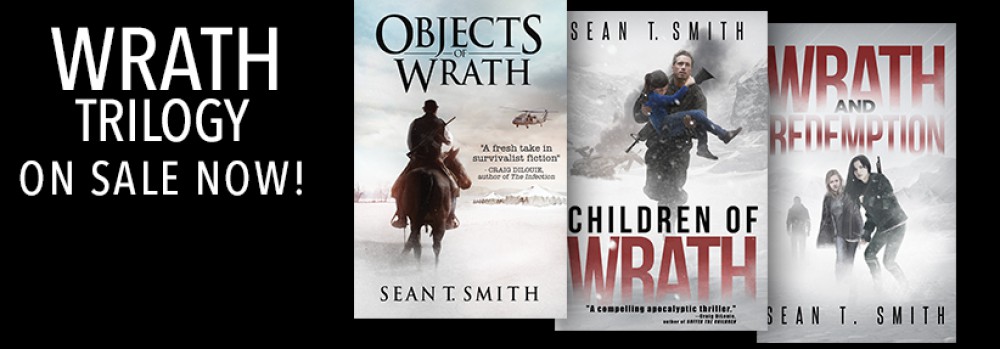
Objects of Wrath, half price.

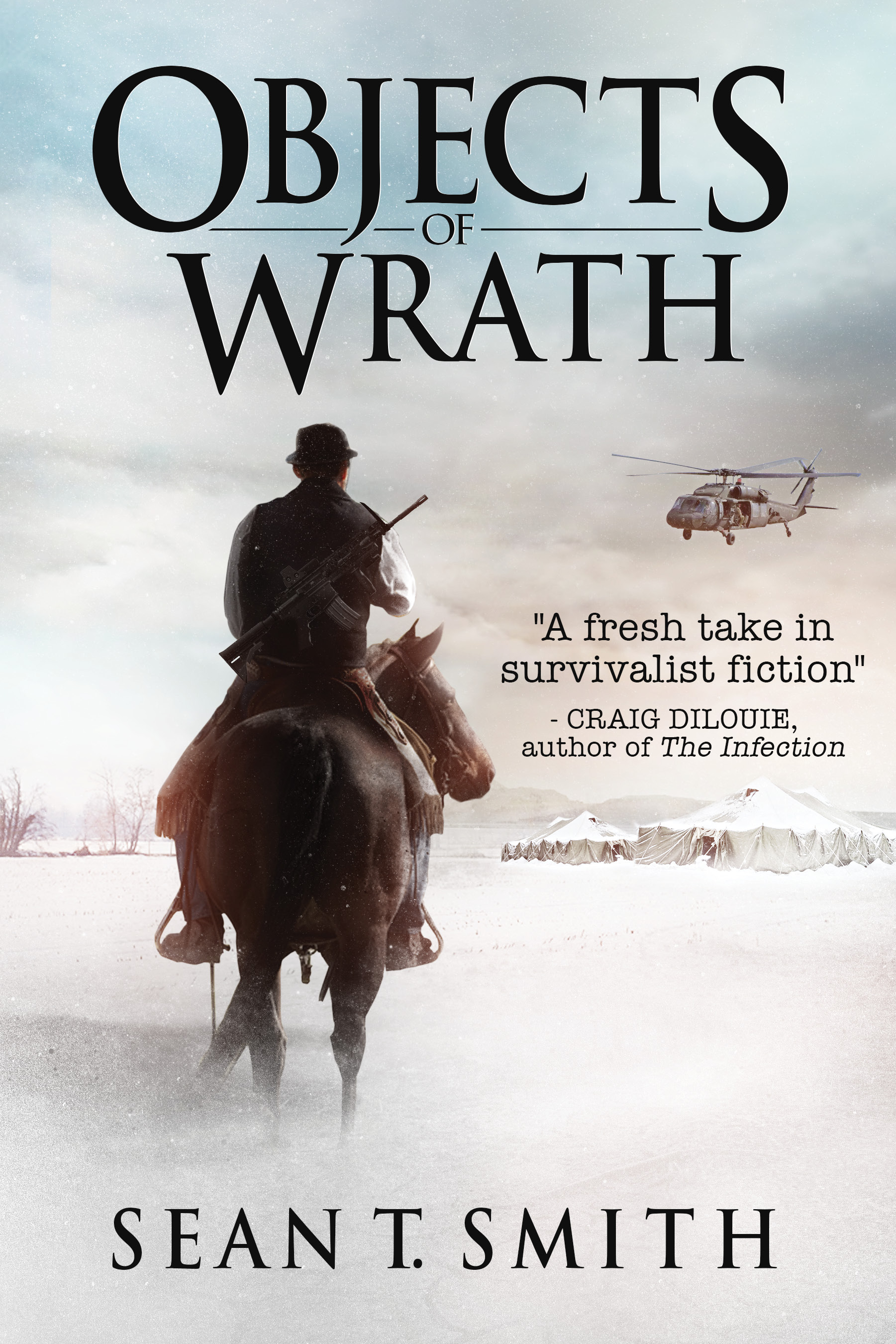
ObjectsOfWrathcover

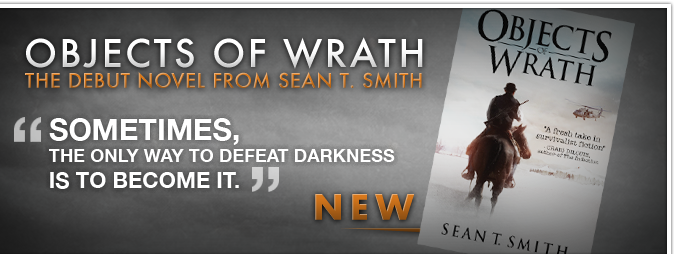
My publisher, Permuted Press, is running a promotion this week for Objects of Wrath; more than eight hours worth of adventure set in America after the next global war. Readers say that the novel “sits at the intersection of The Road and Full Metal Jacket.”

I truly enjoyed this book, and it probably one of the best reads I’ve had so far this year.

The Bookie Monster  
The final book in the series comes out in February. Curl up by a cracking fire and spend a day immersed in a world that may yet come to be.
Children of Wrath_Wrap_FINALcropped-cropped-objects_of_wrath_banner.png

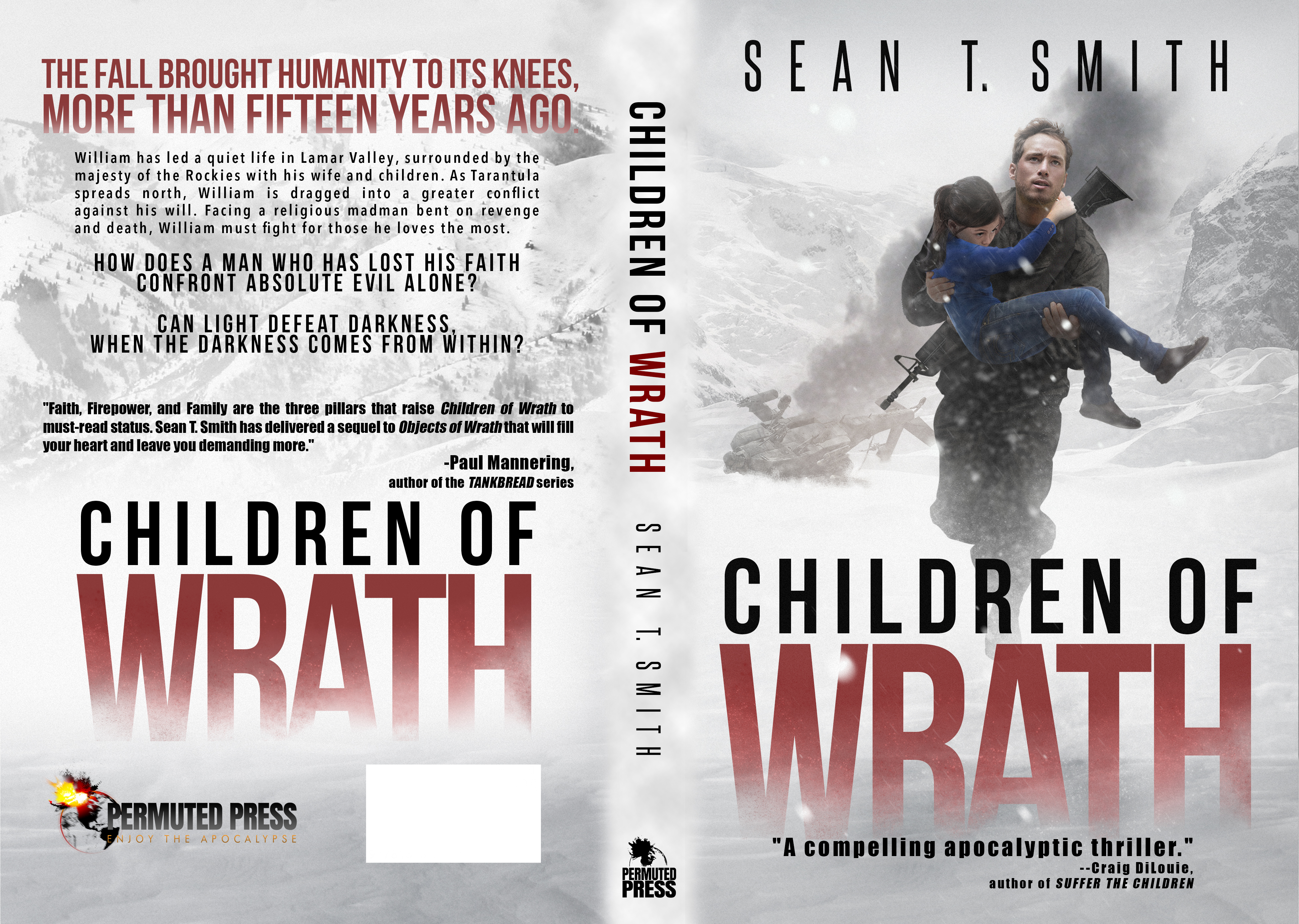
Children of Wrath…Available now on Amazon

Children of Wrath_Wrap_FINAL

A religious war threatens to destroy everything that matters to William. There is no escaping evil and madness…It must be defeated.

There is darkness, but always hope, even when it appears absent. This book is about holding onto faith in the face of evil and loss, and it picks up about ten years after the events of Objects of Wrath.  I hope you all will read this, tell your friends about it, and let me know what you think. I love interacting with readers, and I’m easy to connect with on Facebook, Twitter, and GoodReads.

This book is available on Amazon, Banes and Noble, and through itunes, in e-book format, and in about two weeks, in paperback as well. Objects of Wrath is also on audible.com as an audio book, and if you haven’t read that one, I’d suggest reading it first; the books are able to stand alone, but I don’t spend much time going into events that happened in the first one.

Thanks for all the support, and happy reading!

Sneak Peek… Children of Wrath

Image
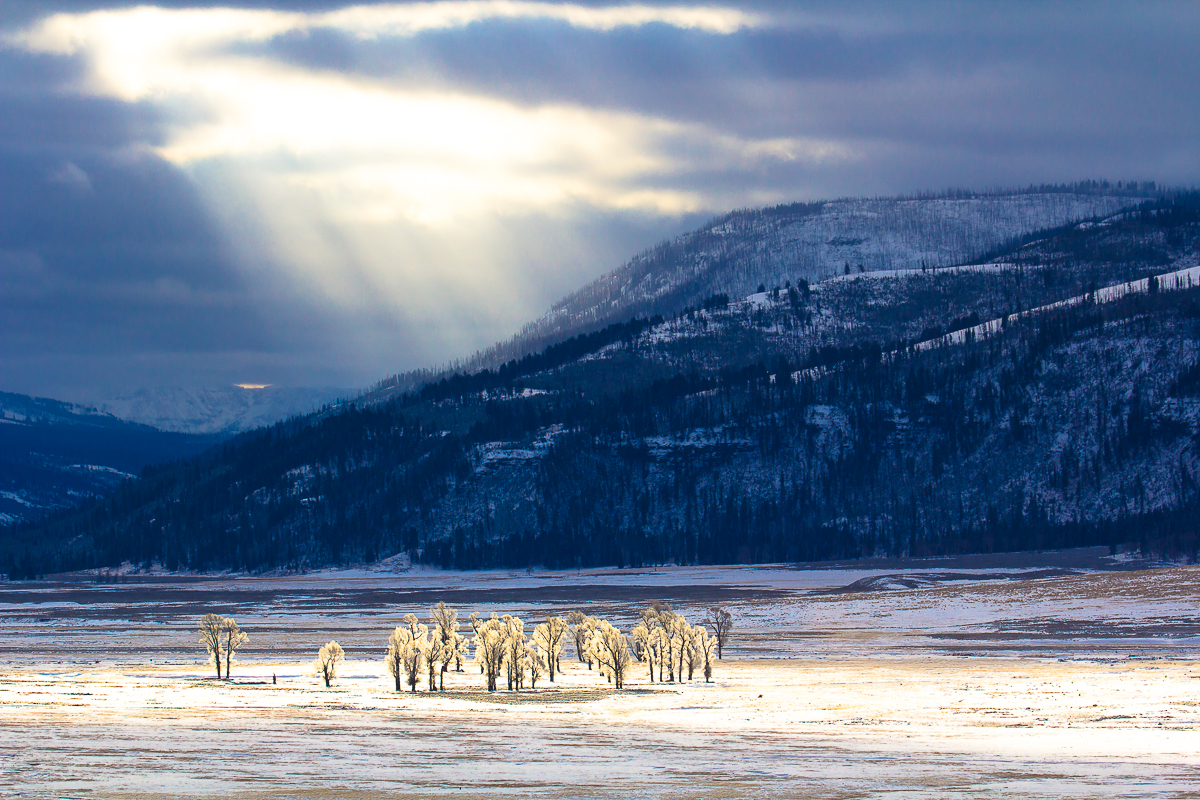
Being a hero in the eyes of my children was far more important to me than the adulation I’ve received over the years for getting shot and stabbed and being any sort of a leader. The memories that keep me warm on snowy winter nights here in Yellowstone are of times when I was a real hero. I remember my son Ryder and his little sister Grace on Christmas morning gazing with wide eyed wonder at the presents under the tree while a fire cracked and popped in a log cabin steeped to the roof in drifts. I hold those perfect moments close to me, those fleeting times that were really gifts my children gave to me. I can now open them like a book, and I turn back the years to see that look of amazement they rewarded me with when I lifted a heavy log, carved a bow, or brought home a wolf cub. I wrap myself in those precious memories like a warm bison blanket to keep the cold at bay and stave off the lingering chill of things I would rather forget.

The winter Ryder turned nine, Grace was six, and the cold was bitter and long. Maybe with the telling of it, these many years later, forgiveness will find me and I can draw close and smile.

The Fall obliterated humanity about sixteen years before that season; the bombs and pestilence that followed The Fall pushed us to the brink of the abyss, but we managed to survive. In the nine years we had been in the west, the scattered groups of survivors inhabiting the region enjoyed relative peace and security. It was a time of rebirth and renewal, and my best memories live there still. The weaponized fungus we had come to call Tarantula still thrived in the warmer regions, but the cold of the north kept it at bay. We were full of hope, though we bore the wounds of the past. We believed we had made it through the worst of it.

Image
I was then not yet thirty, and still very much in my prime, my hair dark and short, with not a hint of the white beard and long mane I now wear. “You look like Noah,” Crystal jokes these days. “What happened to my sculpted David, my Greek hero?” She laughs and there is no malice in it; the gray is earned and I wear it with the cantankerousness of an old Grizzly baring his yellowed fangs over a kill, long of tooth and the gold fading, but still dangerous. I was much more dangerous then. I stood six feet four inches, was broad of shoulder and narrow of hip, and I was strong. Hazel eyes, still bright with hope then, before they were faded and dimmed by sadness, which still burned with a zest for life.

“You’re old beyond your years,” I recall Crystal saying back then. “Such an old soul.” But really, I think that was all of us.

Books about modern war…

Image

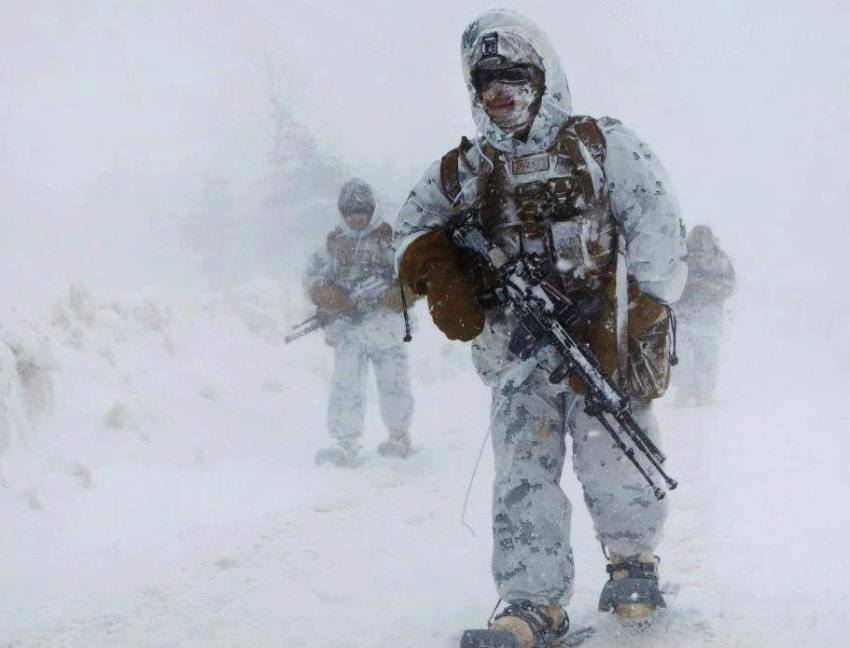
A common truism for writers is that we should “write what we know.”  I find this stifling. I’ve never served in the military, but I write about war. Authors like Tom Clancy pulled it off, but how can I really capture the feel of what it is like to be in combat when I’ve never been there myself? I am certain I make mistakes, but I do a whole lot of research. I read interviews and books written by soldiers who have been in the thick of it, and watch copious amounts of combat footage and documentaries. I listen to soldiers who are willing to talk about their experiences. I have nothing but respect and admiration for our troops, and I sometimes feel like a fraud trying to depict the emotions, the smells, and the sound of battle.  Here is a list of some of the books I’ve used as research material, and my take on those books.

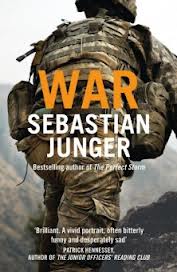
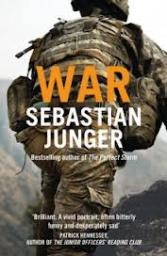
War, by Sebastian Junger, is fantastic. Junger wrote the book after spending months with troops in a remote outpost in Afghanistan. He went on patrols with these men, and filmed hundreds of hours of footage. He came under frequent fire and was almost killed more than once; many of the soldiers he was with were killed or wounded. The book is detailed, gritty, hopeful, and tragic.  The documentary he filmed during that time, Restrepo, is outstanding as well.
Image


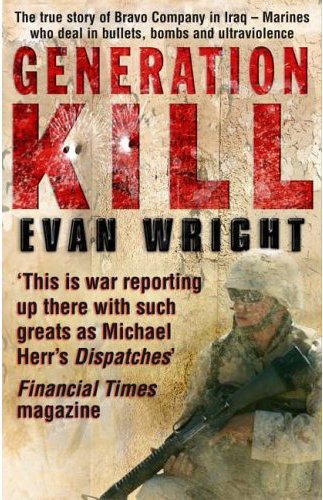
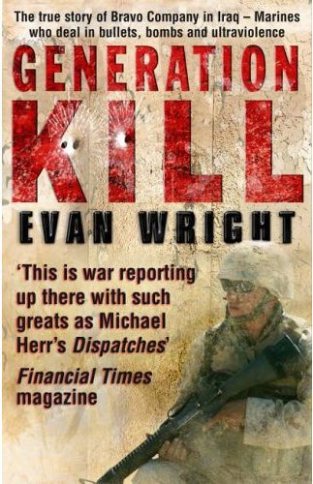
Generation Kill, by journalist Evan Wright, is about a group of Recon Marines at the tip of the spear during the second Iraq war. These elite soldiers drove into towns in lightly armored Hummers with the purpose of triggering ambushes. The book is a monument to the heart and soul of our fighting men and women, but it also highlights the dangers of inept commanders.
Image

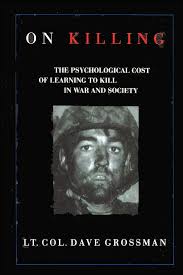
On Killing is taught at West Point and Quantico.  Lt. Colonel Dave Grossman interviewed hundreds of men who had been in combat for this chilling book, and delves into the psychology of killing. What does it take to kill a man? How does it feel, before, afterwards, and during. How does the military train our soldiers to overcome the natural aversion to taking another human life?
Image

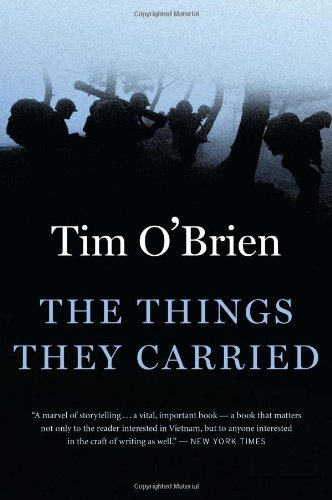
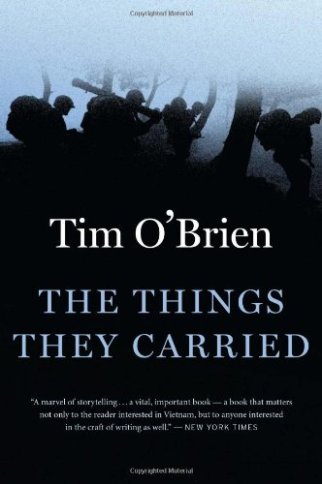
,The Things They Carried, by Tim O’Brien is poetic and shattering. O’Brien served in Vietnam, and this novel brings that war to life. It is not only the best book about war I’ve read, it’s one of the best novels I’ve read. I can’t recommend it enough. O’Brien writes so well, he makes me want to give up!
Image

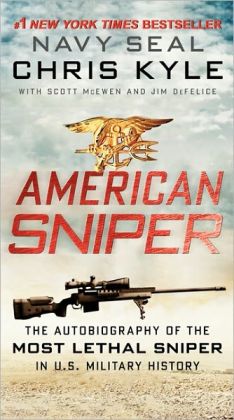
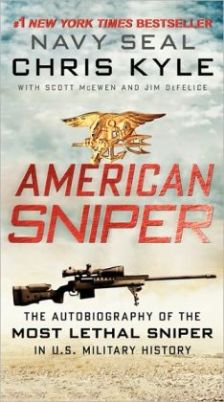
American Sniper, by Kris Kyle lacks the poetry of some of these other books, but it is written by SEAL with more confirmed sniper kills than any other American in history. There is no remorse, only recoil. I am glad Kyle was on our side. The author was killed last year by a soldier he was trying to help.

The Wrath series begins with World War III, and while the books contain a great deal of fighting and violence, I would like to think that they are about the nature of good and evil in all of humanity. The great books about war, from Tolstoy to Hemingway, are less about technology and explosions and more about emotion and loss and consequences. I’m striving for that with my writing, but I am utterly humbled by the writers who have succeeded.