Where have I been, and what’s next?

I’m not gonna lie, sometimes my general optimism gets the best of me.

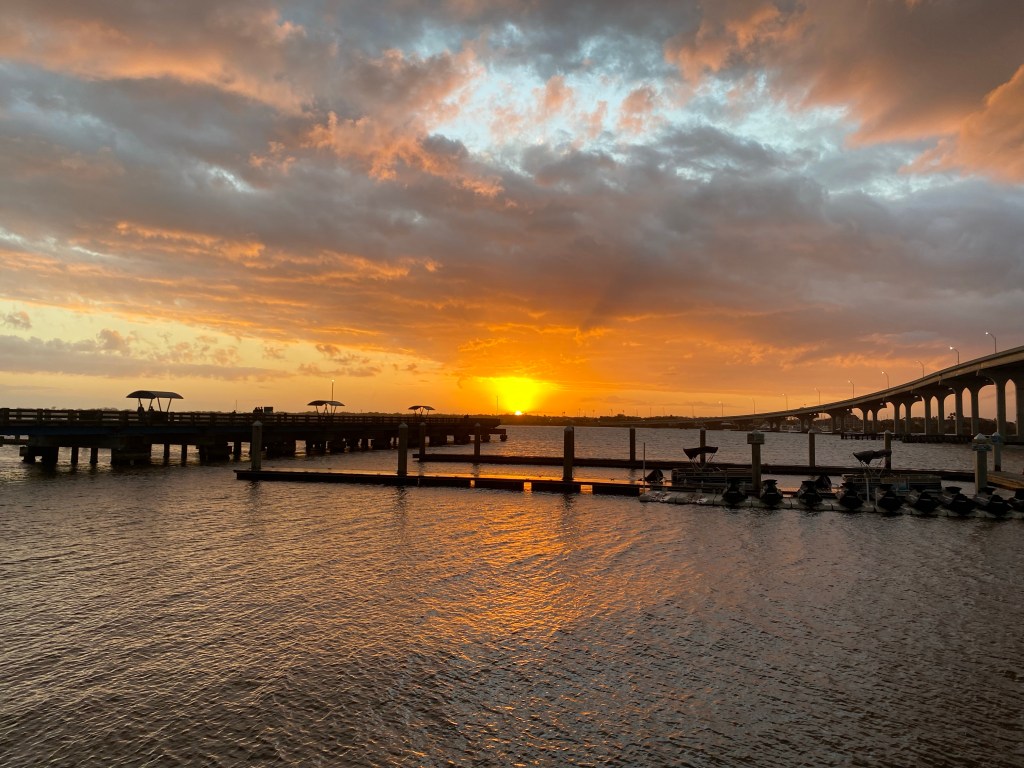
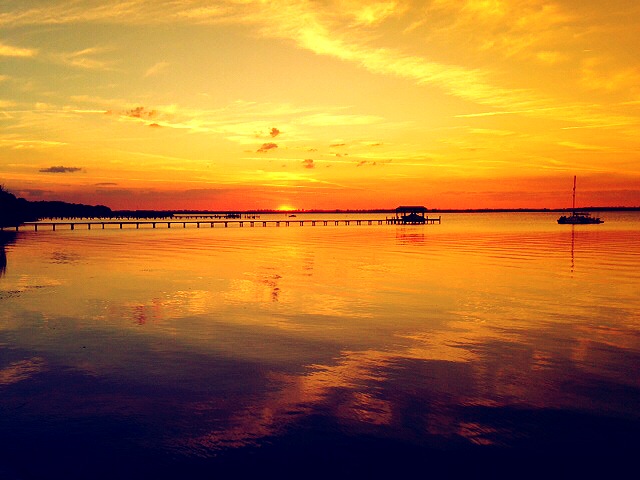
I guess I’ve been on the water a lot

Over the last three years, I’ve allowed myself to become distracted, destroyed, and derailed. I’ve divorced, dated and loved and lost and attempted to rebuild myself and while it’s been mostly fun, it’s exhausting. I’ve lost track of what what I really want to do.

It’s an easy trap to fall into. It started with the notion that I want to be happy, and that writing no longer made me happy. This was a subversive thought, a slippery slope. Writing for the money doesn’t make me happy, but sharing my stories, creating for the sheer love of it, does bring me joy. Whether it’s a novel, a song, or a short story, I’ll be a writer until I die.

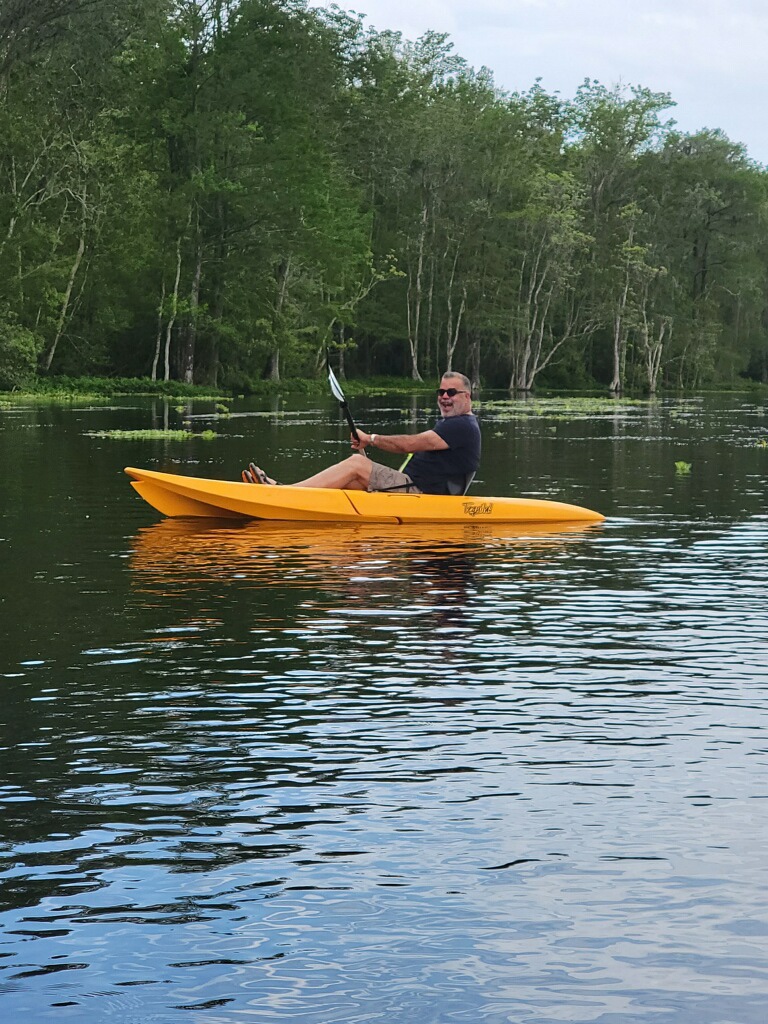
I’ve become an avid Kayaker, and love paddling the Florida springs and rivers. I’ve traveled domestically a bit and look forward to more. I’ve tried to learn to be still. I’d like to believe I’ve done some growing; I’m still a romantic at heart. I’ve met someone new who makes me believe. I’ve felt an internal shift, as I grow long in the tooth, knowing that time grows short. I have not said all of the things I feel the need to say with my life.

I’m writing again, and I’m sending out query letters for Angel of the Fall, my sixth finished novel. I hope to find a publisher within six months, and if not I’ll likely self publish it. I hope that doesn’t happen, as I’m not particularly good at self publishing.

I’m striving to be the best version of myself that I can be, and I’m not surrendering to the noise of disillusion, disappointment, and deceit that howl at all of us.

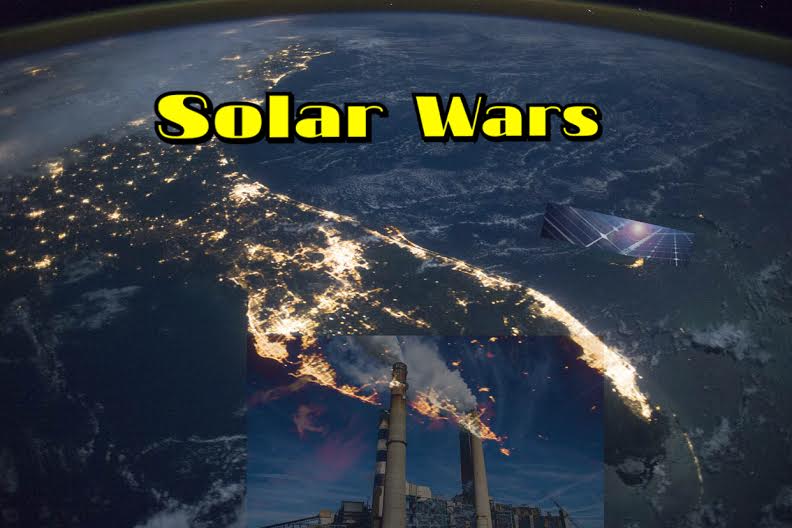
Solar Wars

 solar wars pic

A long time ago, in a state far away, the idea of public utility companies was born from the idea that electricity was a basic need that the government should provide its citizens.  The first public utility in the U.S. was a grist mill in Massachusetts. Since then, utilities, both public and private, grew into massive monopolies. A monopoly, by its nature, despises competition and will do whatever it takes to preserve its share of the market. It’s why anti-trust laws challenged monopolies in the era of robber-barons, and why we have the Public Utilities Commission, which in theory places checks and balances on the utilities.

In North Florida, JEA and FPL are the two existing monopolies, and both are threatened by the idea that consumers should have a choice between generating their own electricity and purchasing it from a behemoth.  As a result, the utilities have behaved the way that monopolies always do, looking out for their own best interest and attempting to bolster their bottom lines. Unfortunately, this comes at the expense of the general public. While they are not necessarily an “evil empire,” they have displayed a shocking ruthlessness and outright deception in order to obtain their goals. They have decided to strike back at the growing solar industry in Florida.

Despite the fact that Florida ranks far ahead of almost the entire country in terms of solar potential, the Sunshine State lags behind the snowy northeast, coming in at a dismal 17 for actual solar production.  That’s the way the utilities want to keep it.

The Trojan horse: Amendment 1

Nov. 8th

The group Consumers for Smart Solar ran a well-executed campaign to deliberately mislead voters and detract from the momentum of rooftop solar in Florida. This group is funded by the utilities, along with oil and gas interests. The Florida Supreme court upheld the language the group is placing on the ballot for voters in November.

In her descent, Justice Barbara Pariente offered harsh words of criticism: “Masquerading as a pro-solar energy initiative, this proposed constitutional amendment, supported by some of Florida’s major investor-owned utility companies, actually seeks to constitutionalize the status quo.”

The utilities pushed this through by telling citizens they were signing a pro-solar petition. The campaign they’re running now is “Vote yes on one for the sun.” It was a sneak attack, a Trojan horse in every way.

Justice Pariente went on to say “The biggest problem with the proposed amendment lies not with what the summary says, but rather, with what it does not say.”  And here is where that deception becomes crystal clear. “There is already the right to use solar for individual equipment for individual use afforded by the Florida Constitution and existing Florida Statues and regulations. It does not explain that the amendment will elevate the existing rights of the government to regulate solar energy use and establish that regulatory power as a constitutional right in Florida… this ballot initiative is a wolf in sheep’s clothing.”

The language of the amendment and the slick marketing campaign behind it, all funded by utilities,  is designed to make voters believe that they are actually voting to help make solar more affordable and accessible to the citizenry of Florida. As an apparent afterthought, this language also appears in the amendment: “consumers who do not choose to install solar are not required to subsidize the costs of backup power and electric grid access to those who do.” That sounds fair and good until the reality emerges that it is the utilities who get to decide what constitutes a subsidy and what doesn’t. It hands the ability to regulate and stifle solar to the very entities who are actively trying to kill it.

A New Hope:  Amendment 4

August 30

In the August primary, voter turnout will be much lower than in November, and this presents a real opportunity for activists and concerned citizens to make a tangible difference in the state’s future.  The ballot will include Amendment 4, giving significant tax breaks to property owners and businesses. If we can get this amendment passed, it will slow the momentum of the utilities, who are working to stop this initiative. Should the amendment pass, lawmakers will decide what incentives to create, spurring the growth of more renewable energy production in Florida.

So, vote No on 1 in November..

Vote Yes on 4 in August.

Your vote matters to the future of our state.solar wars pic

War on Solar in the Sunshine State

sunset

Why does Florida rank behind the rest of the country in solar production?

Politics and greed, two all too common bedfellows.

Florida ranks third in the nation for potential rooftop solar output, yet comes in a dismal 16th in actual production.  “It defies logic,” says former Governor Charlie Christ. “It’s absolutely absurd.” Northeastern states like New York, New Jersey, and Massachusetts are ahead of the Sunshine State when it comes to rooftop solar, despite snow and cloud cover.

Follow The Money

The utilities in Florida have waged a systemic campaign against rooftop solar because they view it as a threat to their monopoly on power. Investor-owned utilities (IOUs) rack up staggering profits from coal, gas, and nuclear power. They make money through infrastructure projects and rate increases, and to protect their profit margins, wield tremendous power in Tallahassee among our state lawmakers. “The power companies hold sway here, and the consumers are at their mercy,” said state representative Dwight Dudley, the ranking Democrat on the energy subcommittee in the Florida State House.

Florida Power and Light, which proposed a 24% rate hike to the Public Utilities Commission this year, generated $1.65 BILLION in PROFIT  last year for its shareholders. The oil and gas industries, which are heavily subsidized by the federal government, are pouring millions of dollars into Florida to thwart the growth of rooftop solar, aligning themselves with the utility companies.

Former Republican legislator Nancy Argenziano, who chaired the Public Utilities Commission until 2010 stated this: “The legislature is owned by utilities. To me, it’s extremely corrupt. The legislature takes millions from utilities, who make billions from the decisions of the PSC. They get what they pay for.”

Every year, the utilities spend millions of dollars on paid lobbyists to whisper in the ears of our legislators. They hold a carrot and a stick, because in addition to the money spent on lobbying, the utilities also spend millions each year on campaign contributions. Since 2007, utilities spent more than $12 million on lobbying, delivering an average of one lobbyist for every two legislators.

More money flows to legislators through PACs, funded by oil, coal, and natural gas interests.  Energy magnates the Koch Brothers funnel dollars through various shadowy organizations, where the dark money can be spent without public scrutiny in order to slow the growth of solar in Florida.

In a display of unparalleled greed and deception, the utilities responded to the grassroots campaign mounted by the Southern Alliance for Clean Energy by outspending them and counterattacking.
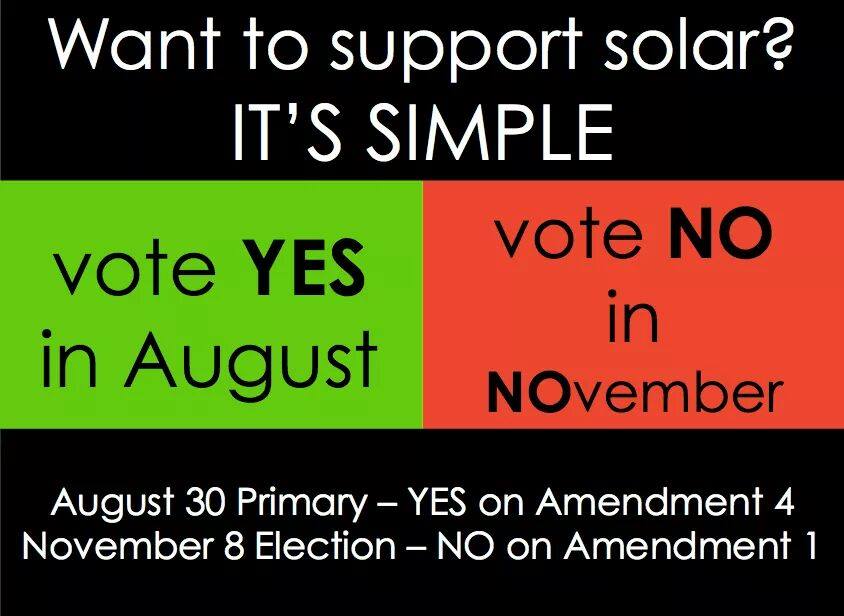
vote no on 1

Vote No On One!

Last year, the Southern Alliance for Clean Energy assembled an impressive and diverse coalition of forces in an effort to make solar more viable in Florida. From Tea Party voices like Debbie Dooley, who helped to found the party, to green organizations like the Sierra Club, the SACE sought to place an initiative on the ballot that would protect rooftop solar in the sunshine state.

The utilities redoubled their efforts, and introduced an initiative of their own. Slickly marketed and blatantly deceptive, the “smart solar” amendment gives more power to the utilities, masquerading as a “green” initiative, while being funded by dirty coal. Investor-owned utilities spent $4 million on the campaign. 60 Plus, a seniors group which got more than $15 million from the Koch donor network, ponied up more than $1 million. They confused petition-signers and even adopted similar language to that of the SACE campaign, ending with deceptive wording which will ultimately appear on the ballot in November.

Should the amendment pass, the utilities will have free reign to hit solar customers with high fees, monthly charges, and up-front costs. And that is exactly what they will do.

Pulling at heart-strings

One manipulative argument from the utilities is that solar customers are unfairly subsidized by those who do not have solar, and that this results in an unfair tax upon low-income families.

This is part of the bait-and-switch campaign the utilities have waged in Florida and in other parts of the country.

First of all, the energy produced from oil, natural gas, and pet-coke is already heavily subsidized by the federal government.  The utilities begin with an unfair advantage, and ignore the fact that the energy they produce would cost more if the playing field were level.

Second, the value of energy from rooftop solar gets devalued by the utilities. A recent study by Arizona’s largest utility found that the value of solar is actually 50% more than the costs associated with it. When homeowners install solar on their roof, they are paying for the cost of the panels, not the utility. The excess power that flows back into the grid comes with no other hidden costs like power-plant upgrades, disposal fees, shipping costs, and environmental upgrades. Furthermore, the increased power leads to greater capacity for the utility, including peak usage times. Finally, rooftop solar leads to greater grid security in the event of an outage.

Subsidies for solar are dwarfed by those for oil and natural gas, which reveals that the argument made by utilities is a bold-faced lie. If utilities were so concerned about the welfare of their customers, they wouldn’t be posting billions in profits, doling out huge bonuses to executives, and increasing rates for everyone.

Moving Forward

Utilities must come to grips with the fact that a business model formed a century ago is outdated now, and face the fact that over the next 50 years, renewable energy will change the paradigm of monopoly.  In Florida, solar has suffered from the political attacks waged largely by conservatives who are in the pockets of utilities, but that perception is changing rapidly. Many conservatives are shifting their attitudes toward solar, not out of concern for the environment, but because solar gives citizens the ability to become energy independent, and because it is a sound financial investment.

Rooftop solar is a choice many people make to invest in their future, and we should have the freedom to exercise that choice. The oil companies and utilities don’t want you to be able to choose to go solar because they are afraid to lose their monopoly.

 

JEA: Take the Power From the People

JEA
Thomas Jefferson said “the sheep are happier left to themselves, than under the care of the wolves.” As the Jacksonville Electric Authority eyes proposed changes to regulations for roof-top solar, this public utility must decide what sort of entity it is: will it build community, which is its motto, or destroy it. At the recent board meeting held on the opulent 18th floor of the JEA tower, the board listened patiently to members of the Jacksonville business community and concerned citizens . Let’s hope they actually heard.
What is the plan?
In broad terms, JEA would like to reduce the buyback rate for grid-tied solar by 36%, which will do great harm to the burgeoning industry and the community itself. Essentially, they would like to charge homeowners one fee for the power they use, but reduce the credit given for the electricity the resident creates with a solar array. This makes solar less economically attractive for business owners and residential customers alike.
Why would utilities do this?
The unfounded argument that utilities use to justify proposals like this is that consumers without solar subsidize those who do. This has been refuted over and over again all over the country. Policies like this are incredibly short –sighted. JEA has an enormous solar farm, and is committed to adding to this over the course of this year. That’s a good thing, something to be applauded. What is unacceptable is the underlying idea that the utility would like to generate its own solar power, but crush the ability of the average homeowner to do the same thing. JEA seems to believe that the two are somehow mutually exclusive, when the reality is that more generation capacity is a good thing.
Hostile Takeover
If these proposed changes go into effect, JEA will have quietly committed the hostile takeover of solar in its service area. Public-owned utilities aren’t supposed to behave this way. In Nevada, something similar is occurring now, where a utility owned by Berkshire Hathaway destroyed the economics of roof-top solar overnight with the stroke of a pen. In Jacksonville, solar accounts for a tiny fraction of the total electricity generated. While it is true that the utility is losing some revenue stream, it is also benefiting from the increased production of energy. There is no justification for a utility owned by the people to follow Sun Tzu and act like there is a war, because the people will wind up losing.
Impacts
Real people with real jobs will be put out of work by these proposed changes. The economic ripples will wash over families and communities. Can a company with the motto “building community,” move forward with a plan which will actively destroy lives and smash an entire sector of that very community?

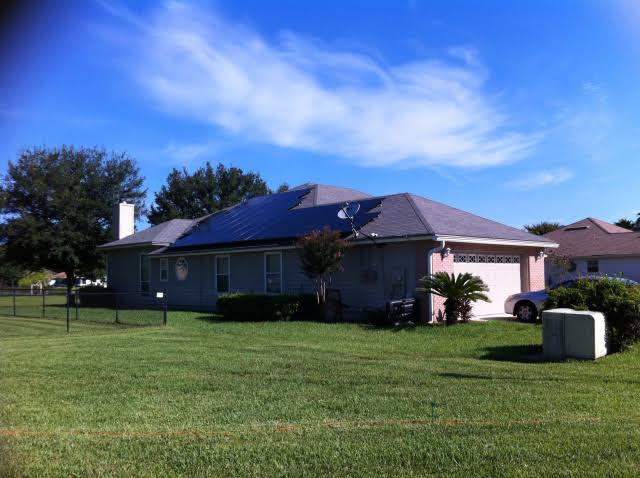
solar2
Perception
Renewable energy is the future, and Jacksonville would like to define itself as a forward-thinking, vibrant city of tomorrow, rather than the slightly smelly backwater the name conjured in years past, where folks are set in their ways and change is seen as a threat. We are better than that, on our way to becoming vibrant, diverse, and truly metropolitan.
Our city needs to attract more businesses, more intellect, and the energy of youth. One of the most impactful speakers at the Board of Directors meeting was a self-proclaimed millennial. He pointed out that the eyes of the country are upon us. This proposal is a step backwards in every way for this great city, for these changes will stifle growth and stain the community with small-mindedness and stagnation.
Conclusion
The people overwhelmingly support solar in Jacksonville and around the country. President Bush set up the federal tax credit in 2008 to spur the growth of the industry, and the growth of solar has exceed all expectations. Our citizens want solar.
This proposal from JEA runs counter to the will of the people it is chartered to serve. So call your congressman, write the Mayor’s office, bug your city councilman, and let them know that you think these changes are unfair. Beat back the wolf.

Southern Pride and Rebel Flags: Guest Blog with Kelli Freeman Smith

rednecks

The controversy raging around the display of the Confederate flag breaks my heart. This symbol of southern pride, adopted from a war which pitted brother against brother and  usurped by the KKK, should not be a symbol at all. We southerners have many things to be proud of, and that flag isn’t one. Our heritage is richer than that, runs deeper and truer, and we should not allow ourselves to be defined by the stars and bars.

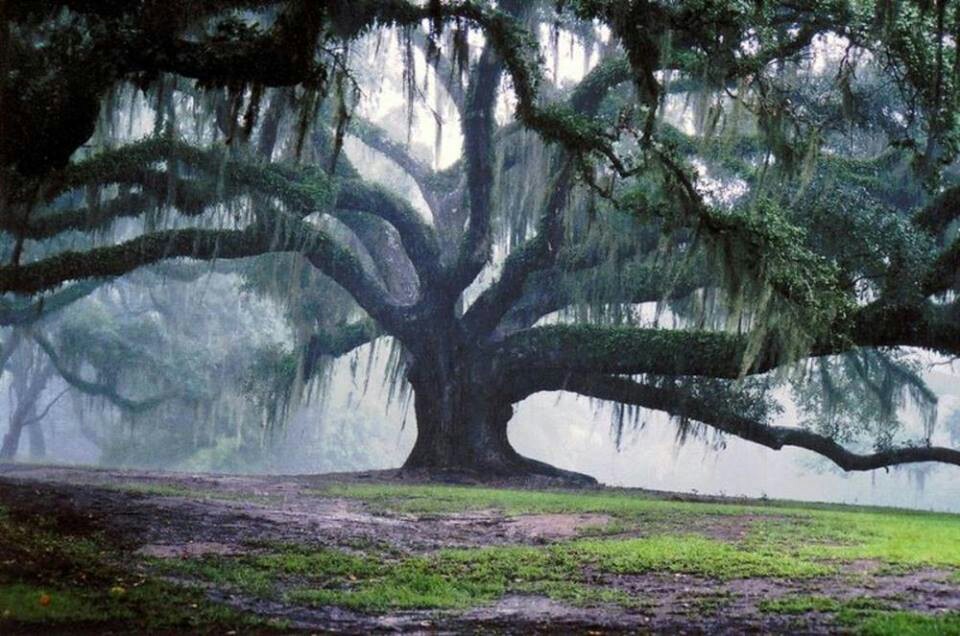
I was born and raised in the deep south, and I’ve lived there all my life. I grew up in a sleepy town on the Florida-Georgia line, where football players were rock stars and Friday nights in the fall were the highlight of the year. A town of Magnolia trees and live oaks draped in Spanish Moss, where pickup-trucks with mud on the tires lined the Baptist Church parking lots every Sunday morning. My southern drawl is sweet as honey-dew or ice-tea on a lazy afternoon in July. I say “ya’ll, bless your heart, and amen.” I love the poetry of Faulkner and Merle Haggard and the opening notes to Sweet Home Alabama.

The land I played on as a child and the woods I scraped my knees in with my cousins were farmed by my Grand Daddy. My mother worked the fields with her 8 brothers and sisters, and in tobacco season her hands were raw and her face was burned by the sun. Most of my family still lives on that land, and our family reunions are feasts of friendship and fresh vegetables and laughter. There is pride in that. In family, a thing which we southerners take very seriously. We take care of our own.

35d72460ac5de2352963a91b6665a9f1

Driving through town, you’ll see American flags flying,whether it’s July 4, Memorial Day, or just a random morning, because patriotism runs deep here in the south. Throughout Americas wars, the South gave many of its sons to the United States. God, Family, and Country. This is much of what it means to be southern. There is also a sense of rugged individualism. My Daddy taught us, like his taught him, to work hard and to think for myself.

And then there’s the icky part. Slavery, the Civil War, Jim Crow, and lingering racism. Unfortunately the Rebel Flag symbolizes those things, particularly to those who are not from the south, and in a more subtle way, those who are, as well. I wish it was not so.

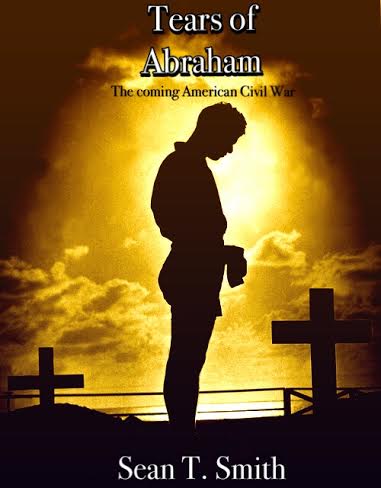
Abraham sample cover

There is a great dichotomy between patriotism and embracing a symbol of sedition. A contradiction in reading the King James version of the Gospel, and then uttering the N word with the same mouth. A lack of gentility and hospitality in flying a flag which is inherently offensive to others. A celebration of the War of Northern Aggression which was actually a war to preserve slavery, a codified, immoral, abomination couched in terms of states rights. The right the states wanted, though, was the right to own people. That’s not something to be proud of.

My social media news feed is rife with posts with rebel flags, and people, some of them dear family members, who defend the idea of displaying the flag because it is a part of southern pride and heritage. Maybe they’ve forgotten or overlooked what it actually means. The more angry the rest of the country gets, the more entrenched these folks become, rather than questioning what they believe to be true.

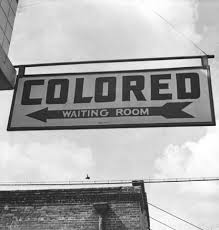
colored

Once again, brother is pitted against brother, and this flag is hurting the south again, tearing at families, destructive as Sherman’s march. Only now, we are burning ourselves to the ground. The war is over, the south lost, and it was a foolish war in the first place. Get over it and embrace what it truly means to be southern, not some romantic, idealized notion of a past that was never was. We have much to be proud of. Let’s celebrate that.

Friends and Sharks

It’s late and Springsteen is playing in my sanctum and I’m thinking about friends. About what friendship means to me. I thank God for my friends, I thank them, and I wish I’d been a better friend all along, to all of them. Friends are precious, and I’m blessed to have some.

Friends make you better, even if it’s better at being worse. A true friend will do both things, over the years. That’s how it is. I’ve been lucky enough to have friends like that, and I’ve been a bad influence and a good one, a hellion and a saint, a healer and a divider. My friends have been that too, and that’s good.

We know many people, but have few friends. We have plastic smiles and rainbow relationships which are real in the way of whipped cream, and equally as fulfilling. We all know the difference in our hearts, and miss it when we settle for less.
My friends are few, and I’m all right with that. I’d like to be a better friend, having more to give than I take.

Friends are honest when it hurts, even if it hurts them. Even when honesty is something which pierces a lie most terrible and devouring. There is a certain loyalty in that.

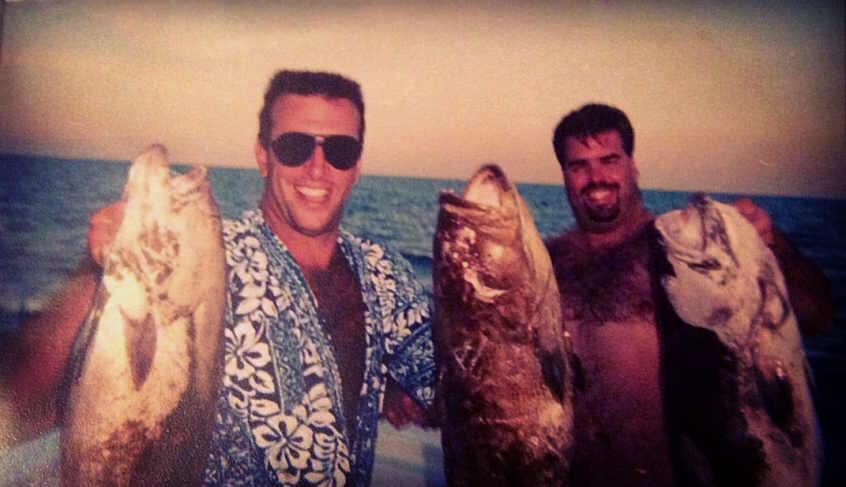
grouper

An old friend is someone who is there for you, when you need them. I’ve found that often this doesn’t mean they’re actually around or that I even talk to them. They’re with me in spirit, and their memory speaks wisdom to me, words I need to hear, a voice in my mind like my own conscience, but separate. Sometimes, though, you need a friend to physically pull your ass out of whatever trouble you’ve gotten yourself into.
I’ve had quite a few near-death experiences with one particular old friend of mine, and here’s one. We were SCUBA diving down in the keys. Now, I’m an experienced diver and a strong swimmer, but when things go wrong under water, they tend to go very wrong, very fast. We were spearfishing on a coral reef, and at first we stayed together, but wound up getting separated, each of us chasing fish all over the reef. There is a kind of hyper-focus that happens when you’re after a nice grouper, the thrill of the hunt and the idea of what that fish is going to taste like that afternoon when you pull the boat up to the restaurant and it gets blackened and served with the lobster also in the cooler. An epic meal, a perfect end to a glorious day. An ice cold Red-Stripe, conch-fritters, the sunset on the water, you get the picture…
I was down about a hundred feet, pushing the limits of my air. Visibility had been pretty good, but the current grew stronger and the water got progressively more cloudy. The thing is, I’d speared a nice fish, maybe a 20 pounder, and he’d twisted off the spear. The fish was bleeding, and he was certain to die, and I hated that. So I kept pursuing him, him swimming sideways and thrashing about with blood coming out of him, ringing the dinner bell.
I like the idea of sharks. Diving on the reef, you know they’re around, and sometimes you catch a shadowy glimpse of a torpedo shape gliding through the murk at the edges of your vision. It makes the dive special and memorable when that happens, and there is a sense of being lowered on the food chain and being a part of nature in a way that is impossible in the world of Starbucks and paved paradise. I get alarmed when they start getting overly curious, though. I’ve had sharks and barracuda steal a fish I’ve speared, and that’s an uncomfortable experience. Blood in the water and feeding frenzies and what-not.
This magnificent grouper decided his best bet was to hole up beneath a car-sized brain-coral. I bled air from my BC and put my belly on the sand and peered into the darkness. I could see the blood trailing out, but I couldn’t see the fish. I stuck my arm into the hole (dumb) with the spear gun extended, and wound up nailing the fish with the loaded gun. I dragged him out from under the hole, feeling pretty pleased with myself. My mask was leaking and salt water burned my eyes. My air was critical. I began my ascent.
I should have let the fish go in the first place, because at 100 feet down, I knew I had to make safety stops to avoid getting the bends. When I saw the Great Hammerhead cruise past, then circle, I was afraid. He was about fourteen feet long, and thick, passing close enough that I could see his teeth. I’d never seen one while diving before, only from the safety of a boat. Hammerheads eat people from time to time. Graceful, deadly, moving with effortless, predatory intent.
I’m not one prone to panic. I’ve faced some pretty grim situations where people were trying to kill me with guns or knives. This time though, I started to freak out. I couldn’t think clearly, and even remembering it now, I have a blurry feeling of terror in me. I couldn’t just shoot to the surface because I’d die. I had to pace my ascent from the depths, rising at the same leisurely speed as my bubbles. And I had two safety stops looming ahead, where I’d be forced to hang there in the water. I had about 100 psi left in my tank, so if there wasn’t any sort of reserve in there, and probably even if there was, I was in trouble.I let the line out on the spear gun so that the speared fish dangled about twenty feet below me. It was mostly dead, still bleeding. A reef shark showed up to enjoy the show, but it was the hammerhead and my lack of air that worried me the most.

I heard the engine turn on the boat, twice. My friend telling me to get my dumb ass to the surface. I waited at the first safety stop, and it got hard to pull air. I was at the end of the tank. I could see the boat, a shadow against the sun above me. I was using more air than I should have because I was fighting the current, drifting now, away from the boat, still maintaining my depth. There was a splash.
My friend, deciding that I’d been down too long, and seeing the damn big assed shark, jumped into the ocean. He swam down, and we used the extra regulator, a thing called an octopus, to get to the surface, the big shark giving us the evil eye the whole time.

We pulled into Whale Harbor Marina that evening and ate a platter of grouper, lobster, and conch fritters. It was the best meal I’ve ever had.
That’s a good friend.