Unknown's avatar

About Sean T. Smith

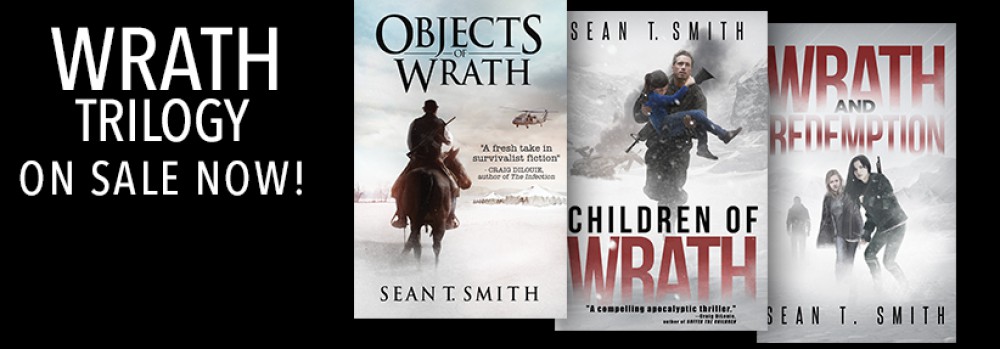
I'm a songwriter turned novelist living in North Florida. I love reading, writing, and my family. The Wrath trilogy is published by Permuted Press. I will be releasing more books in the coming years.

Keeping the darkness at bay… Thank you, men and women who serve.

seals

I write military, survivalist fiction, yet I have never worn the uniform. My deepest gratitude goes out to those men and women with the guts to go to the darkest places in the world, braving gunfire and bombs, blazing heat and freezing cold, and separation from loved ones. You folks are keeping our country safe, while I’m sitting at home in front of a laptop in my pajamas.

I almost joined the military twice. The first time was back in college. I took the ASFAB, and I was gung-ho. I thought it would be a great way to gain some discipline and pay for college. I ended up joining (this is really sad) because my girlfriend was going to go through basic with me, and then onto MP school. She didn’t meet the height requirement. The recruiter, who was a genuinely nice man, competent and I’m guessing an outstanding soldier, slayed me with the look of disappointment when I told him I was backing out.

The second time I almost joined was about a week after 9-11. I’d been living in Nashville, and until then believed that evil was more of a concoction by the military industrial complex than a reality which would come stalking U.S. citizens here at home. When the towers fell, I wept. I was stunned by this evidence of evil unchecked, and it was a feeling of violation that I think almost every American felt. I wanted to do something about it. I felt I should act.

I didn’t, though. I thought about it and I made some phone calls, and one day I wandered into a Marine Corps recruiting office. I was already past thirty, and the guys looked at me like I was nuts. They took me about as seriously as I did, I guess. It was justified, because I did not have the balls to go ahead and enlist.

I like to think I’m tougher than I actually am. When I see American citizens getting beheaded on the news by these ISIS lunatics, I think, okay, lets go to war. Let’s blow them off the map, because that kind of evil has to be stopped.

6a00d8341ceee153ef01310f1e34f5970c-800wi

But that’s easy for me to say and decide, when I’ve got nothing at stake. I don’t have a child ready to ship out, a brother waiting on his third deployment. I’m not writing a will and a note to leave for my wife in the event of my death someplace in the sand.

I told my wife last week that if I were younger, I’d enlist right now, being outraged at the atrocities taking place in the Middle East. I realized later what a stupid thing to say that was. I’m angry, but I’m not that guy, the soldier on the wall while the enemy storms the gates. I write about heroes, but I am not one.

So it is with great humility I say thanks to all of you who have the intestinal fortitude to risk your lives for your country. I am in your debt. You folks are heroes.

1012499_708959129115683_396507476_n

Top Ten books that have impacted me…

LarryMcMurtry LonesomeDove.jpg    41Fu2Ed5uqLsebastian

I own about two thousand books, and I’ve read a whole lot more, so making a list like this is a real challenge for me, narrowing it down. There are hundreds of books that I love and have read more than once that don’t make the list, because even though I enjoyed them, nothing in me changed from the reading of them. I’m not including the Bible in this list, being that it is actually sixty-six books.

1. East of Eden, by John Steinbeck.


This is my favorite book by my favorite author. This book propelled me to begin writing fiction, after I read it for a second time. I love the scope of the novel, the themes of light and darkness, and the hopeful tone of this towering work. Nobody writes a paragraph the way Steinbeck does. His words sing to me.When I read the book for the third time, I was so utterly humbled that i considered not writing any more, because I could see I would never attain that level of excellence no matter how long I strove to perfect my craft.

2. David Copperfield, by Charles Dickens.

I read this one in Junior High for the first time, and Copperfield was the first character I read as a kid that I completely identified with and rooted for. Uriah Heep was loathsome, terrible, and surly and I had to keep reading to see him defeated. I read it again back in college, and the love story appealed to me more then, and the arc of character development. Dickens, like Steinbeck, is a master of the paragraph, with ornate descriptions and a cadence and music to his language.

3. A Farewell To Arms, by Ernest Hemingway

This book made me fall in love with Hemingway’s writing, although the ending made me want to hurl my paperback across the room. I read this one in my early twenties, and it led to a Hemingway binge. I devoured everything, from his brilliant short stories like The Green Hills of Africa and A Clean, Well Lighted Place, to another of my favorites, To Have and Have Not. Hemingway’s dialogue slays me, the way he can convey a tremendous amount of information and emotion in so few words. His use of metaphor and simile, and lean style appeal to me, although he and Steinbeck are almost opposites, Hemingway sparse, with much in between the lines, while Steinbeck is prone to longer sentences, and flowery descriptions. I reread To Have and Have Not last year, and I couldn’t write for a week because Papa is just so damn good.

4. Lucifer’s Hammer, by Larry Niven and Jerry Pournelle.

My father read this out loud to our family when I was in Junior High. (He read to us almost every night. He was in law school at the time and had abolished the television. The stories he read were infinitely better than the Dukes of Hazzard and whatever else was on back then. Anyway, Lucifer’s Hammer felt real, a nightmare which could actually occur with almost no warning. The book is full of darkness, but of course, in the end it’s about community and the triumph of the human spirit, and these are themes that I will always be drawn to and fascinated by. Reading this book led to discussions about what we would do in the event of the apocalypse. And that, way back then, was formative in my own writing. I write apocalyptic literature in large part because of those discussions we had as a family back in the early eighties. The idea of a societal breakdown, and the chance to get it right the next time around, despite the hardship and death, is intriguing to me.

5. A Prayer for Owen Meany, by John Irving.

I read Irving for the first time back in my songwriting days in Nashville. His books were so good, I felt compelled to write a paper about them, just for the heck of it, and because I am truly a nerd. Irving’s language is reminiscent of Dickens, a more modern version of it, and his characters are unique, nuanced, and lovable despite their flaws. This is my favorite book by Irving, though I loved The World According to Garp and Cider House Rules, as well. Owen Meany has a kind of light about it, a sense of wonder, that I enjoyed.

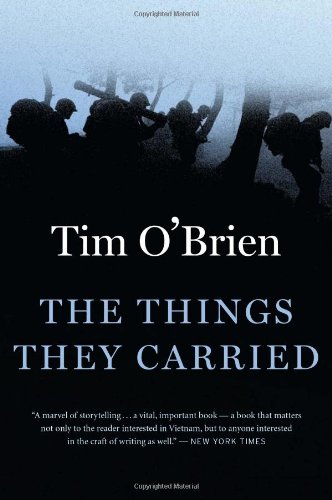
6. The Things They Carried, by Tim O’Brien.

This is the best book about war I’ve ever read, and I’ve read hundreds. O’Brien should have won the Pulitzer for this one, although he did receive a great deal of acclaim at the time. It’s one of the definitive books about the Vietnam war, written by someone who served in the infantry. O’Brien is brilliant, his language masterful, his characters quirky and memorable, the action scenes intense and visceral. I read this book just last year for the first time, after somehow missing it. I read it in a day, then read it again about a week later because it is that good. The structure of the story is complex, and the story packs a tremendous emotional punch. If you haven’t read this one, I can’t recommend it highly enough.

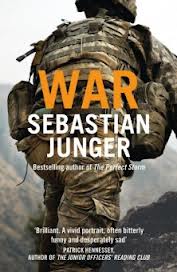
7. War, by Sebastian Junger

Junger is a journalist, and has been embeded with American troops in Afghanistan and Iraq. This novel is the true story of soldiers at a remote outpost, high in the mountains of Afghanistan. Junger is a fine writer, his prose is lean and taut, and he transports the reader to another world with this incredible book.

8. Dune, by Frank Herbert

This sprawling saga made me believe that science fiction could also be literature. The scope and intensity of this book left me dying to read the next one. The first three Dune Books stand apart in my mind, ambitious, risky, and compelling. Herbert’s world-building is second to none. I haven’t read these books in more than a decade. I might put them on my list again this year. Paul Maudib is one of my all time favorite protagonists.

9. The Lord of The Rings, by J R.R. Tolkein.

Because I’m a nerd, and reading these books, I’m in nerd heaven. I don’t know how many times I’ve read the series or watched the films, but I’ve spent many a snowy day or sweltering afternoon reading these books, and it’s always like seeing an old friend I’ve not seen in too long. We pick up right where we left off, and remember why we were friends in the first place.

10. Lonesome Dove, by Larry McMurtry

I was never a fan of westerns, and I’m still not really a fan of the genre. I make an exception for Lonesome Dove, and anything by McMurtry. My father gave me this book for Christmas a few years ago, and I flew through it, and then the sequels, and then everything else McMurtry had written. He won the Pulitzer for the novel back in ’85, and he deserved it. This isn’t just a western, it’s a masterpiece. His descriptions and love of the landscape ring from the page, and his heroes are some of the best in fiction of any kind. Alex and Gus are my heroes, and although I’ve never met them, I feel like I know them.


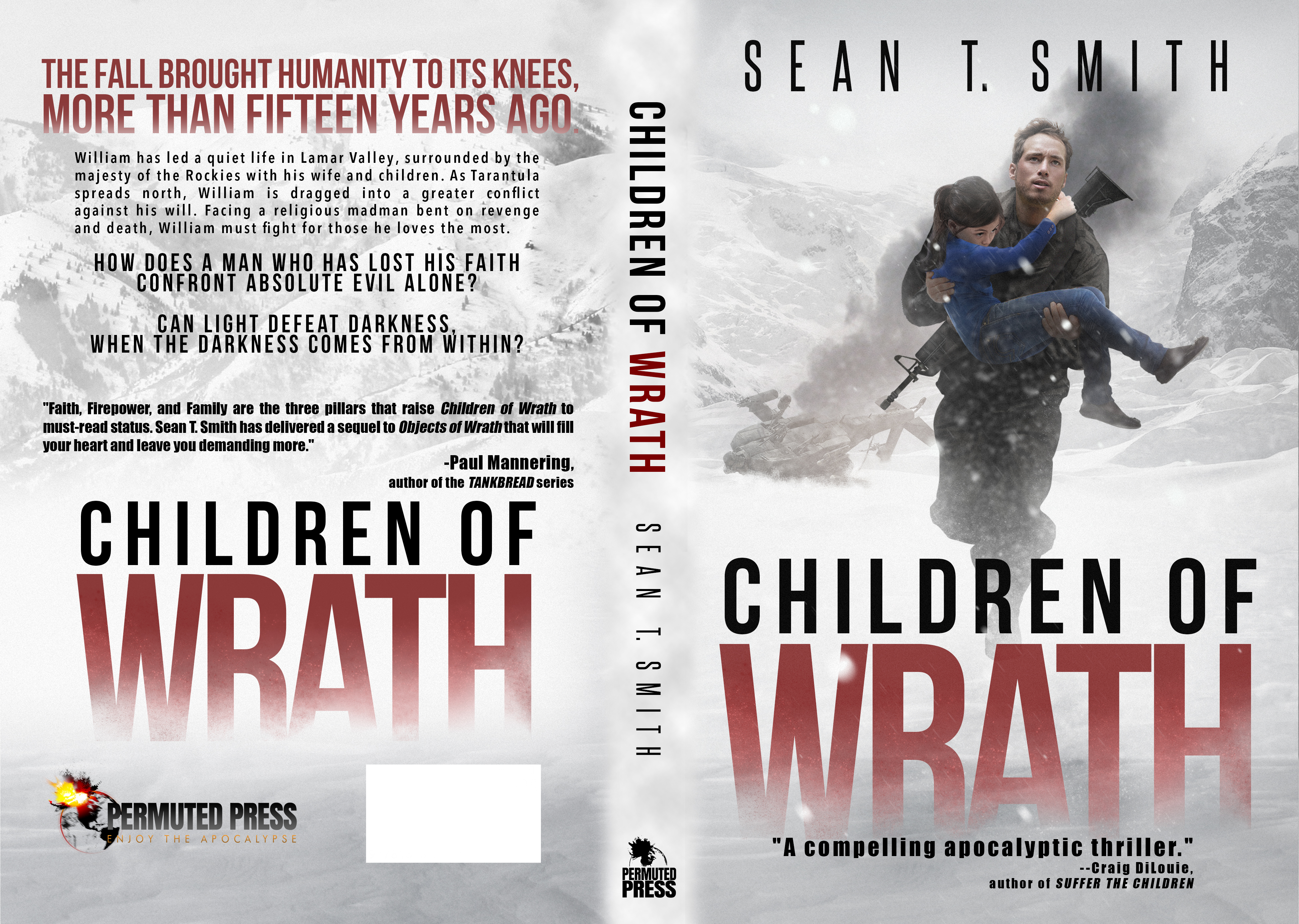
Children of Wrath…Available now on Amazon

Children of Wrath_Wrap_FINAL

A religious war threatens to destroy everything that matters to William. There is no escaping evil and madness…It must be defeated.

There is darkness, but always hope, even when it appears absent. This book is about holding onto faith in the face of evil and loss, and it picks up about ten years after the events of Objects of Wrath.  I hope you all will read this, tell your friends about it, and let me know what you think. I love interacting with readers, and I’m easy to connect with on Facebook, Twitter, and GoodReads.

This book is available on Amazon, Banes and Noble, and through itunes, in e-book format, and in about two weeks, in paperback as well. Objects of Wrath is also on audible.com as an audio book, and if you haven’t read that one, I’d suggest reading it first; the books are able to stand alone, but I don’t spend much time going into events that happened in the first one.

Thanks for all the support, and happy reading!

Open Letter to the NSA…I’m Just A Harmless Writer

I write fiction, and this requires a great deal of research. I’m waiting for unmarked, black SUVs to whizz into my driveway.

My internet search history this week would have set off some alarms. I’ve researched the blast radius for 100 kiloton nuclear weapons, fallout patterns over the U.S., and likely targets in the event of a nuclear exchange.

It gets worse.

I’ve been researching Islam. This includes verses from the Qu’ran, Arabic phrases, various greeting customs in the Muslim world.

To top it off, I looked into bio weapons research facilities within the United States and China. I’m guessing this combination of searches warrants further investigation from the bots keeping tabs on things.

If I disappear and you don’t hear from me, I’m resting comfortably at an undisclosed location. Seriously.

AS IF STILL BURNING

I’m not so sure Japan would have surrendered without great loss of life for American troops. Regardless, when the bomb fell, so did a part of mankind.

Kenan Malik's avatarPandaemonium

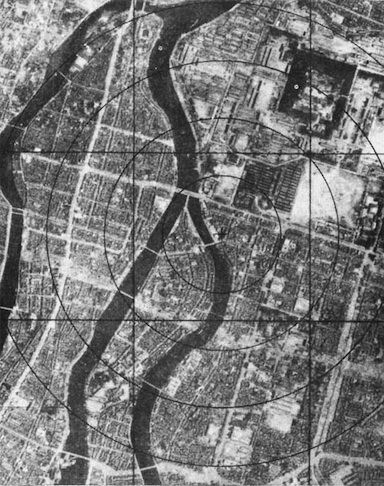
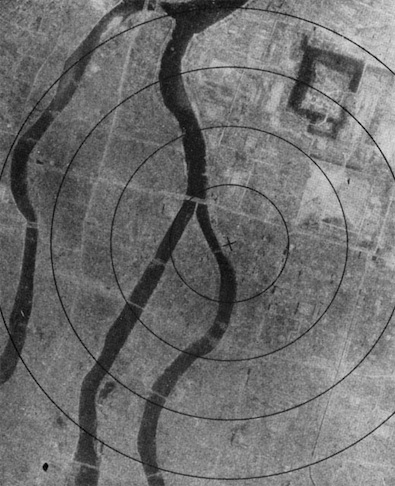
hiroshima before    hiroshima after

This week marked the 100th anniversary of the start of the First World War. Today marks  the anniversary of an even more grotesque event – the dropping of the atom bomb on Hiroshima on 6 August 1945. Three days later the second bomb was dropped on Nagasaki. These remain the only use of nuclear weapons in warfare.

Some 12 km² of Hiroshima were destroyed, as were around 69% of the city’s buildings. The images above, which were taken by the US military on the day, show Hiroshima before and after the bombing. Some 66,000 people are thought to have died in Hiroshima on the day; probably a similar number again died over the next four months as a result of their injuries or from radiation sickness. So fierce was the heat that people were vaporised but their shadows left upon the walls.

In the years since the…

View original post 1,009 more words

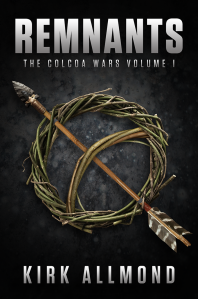
Remnants: The Colcoa Wars Volume 1 June 28, 2014

Victor Tookes's avatarKirk Allmond - Horror and Sci-fi author

Remnants by Kirk AllmondI’ve just received confirmation from my publisher, Permuted Press, that Remnants will officially launch on June 28, 2014. This book has been a long time coming, I originally started it for my 2012 NANOWRIMO project.  After Nano, it sat at 50,000 words for almost six months before I picked it up again.

In a flash of inspiration, I found the direction for it. The characters gelled, the story became clear, and the world clicked into place.  More importantly, the theme of the book came into focus. With the message clear, it only took a few quick re-writes of earlier bits and  I finished the book in a few weeks.  I sent it to several publishers, and based on the strength of this book, signed an eight book deal with Permuted Press.  It was based on the strength of Remnants that we worked out this agreement, and they bought my entire back…

View original post 124 more words

We The People

america divided 1

I love the United States of America; we are the greatest nation in the history of mankind, yet we are not the country that we were, nor the one we believe ourselves to be. America  lost its light along the way.

America stopped Hitler. America invented rock and roll, the automobile, and the internet, and put men on the moon. We are a nation of innovators, fiercely independent, and hard working. We as a people were admired for standing for freedom and democracy. That is part of our heritage.seantsmithauthor.files.wordpress.com/2014/06/what-do-i-need-to-know.jpg”>Self-Compassion

America defeated the Soviet Union without firing a shot. (Not The Big shot, thank God.)

Those are defining moments as Americans, right? We stopped Stalin, King George, and Saddam Hussein. We helped rebuild Germany and Japan after World War II.

But…America became a nation by killing off the people that were actually Americans first. Whoops.

Along the way, America built a nation upon the backs of people who were enslaved. Slavery happened. People owned people. That’s also part of our heritage.  This country would not exist as we know it without the push west at the expense of the Native Americans and the generations of slave trade and labor which built the agricultural base in the South.

I love America. I love the United States. We are not all one thing, though, either good or evil, nor have we ever been a homogenous society. In fact, our diversity is one of the things that made us great.  We have been a champion of freedom and that which is good, but we have also committed atrocities and grave mistakes.

And now, while the United States consumes itself with bitter fire and ignorance, self righteousness and self- loathing at the same time, what is the truth of it?  As a people, as Americans, can we recognize the difference between a patriot and a fool?

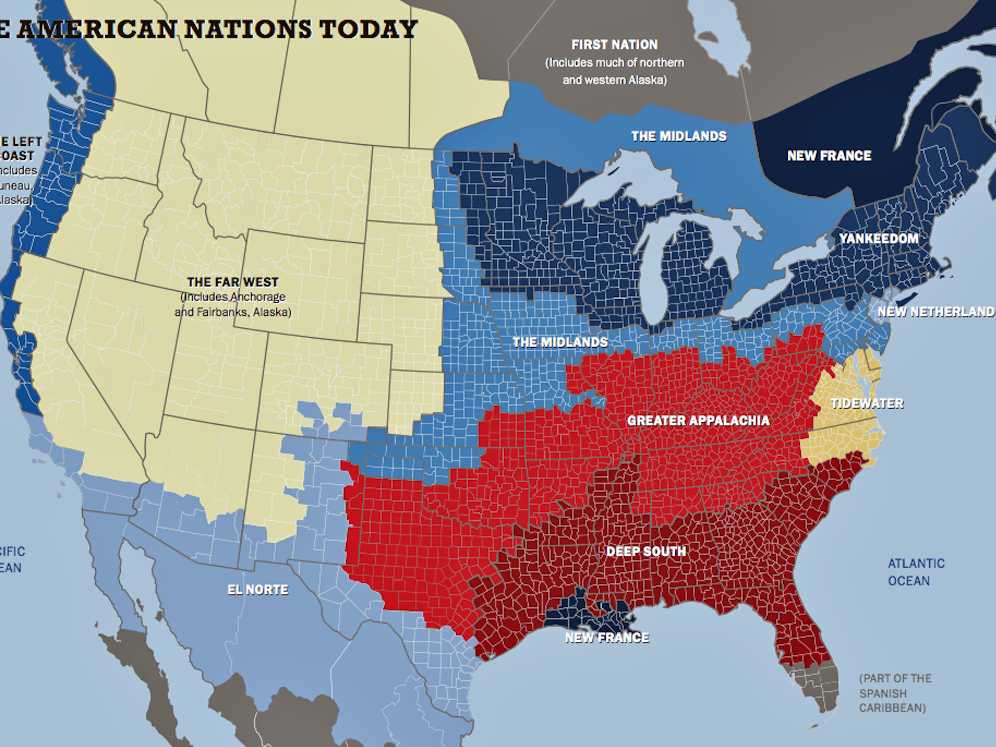
It’s harder than we think, and now a war within looms because we’re that idle and dumb. The patriots, who are not actually patriots but those who undermine the country with lies, ignorance, and hatred, are dangerous because many of them advocate open war, rebellion, and violence. And their numbers are growing.a

The amount of misinformation being blasted over the airways and internet is mind-blowing. The truth seems hard to discern, and many people, it seems , prefer to believe lies, whether the lies we tell ourselves or the lies of others, than to look for the cold, hard truth. The truth, like the America itself, is not just one thing.

The United States strove to be a beacon of hope for the world, a “city on a hill,” and in many respects, the country succeeded in fulfilling the hopes of our founding fathers. It seems to me though, that we the people no longer strive for this ideal.

We watch videos of cuddly cats on the internet rather than try to learn something. We past memes on social media full of ignorance and hate because it is easier to click than it is to actually read. We are convinced we are right and that the other side is wrong, seldom listening to those who disagree with us, remaining in a bubble of ignorance.

The true patriot will listen, learn, and read a history book.

One of the building blocks of our democracy is compromise. Without it, the government cannot function, either at the national or local level.  When politicians and voters become so entrenched in their beliefs that they are unwilling to bend, the whole system breaks down.  The government now is a picture of this dysfunction. Unfortunately, the government reflects the will of the people, and we are divided.

The true patriot will strive for unity over division. The only way this great country will find its light again is if we the people become that light.


Sneak Peek, Angels of Wrath series

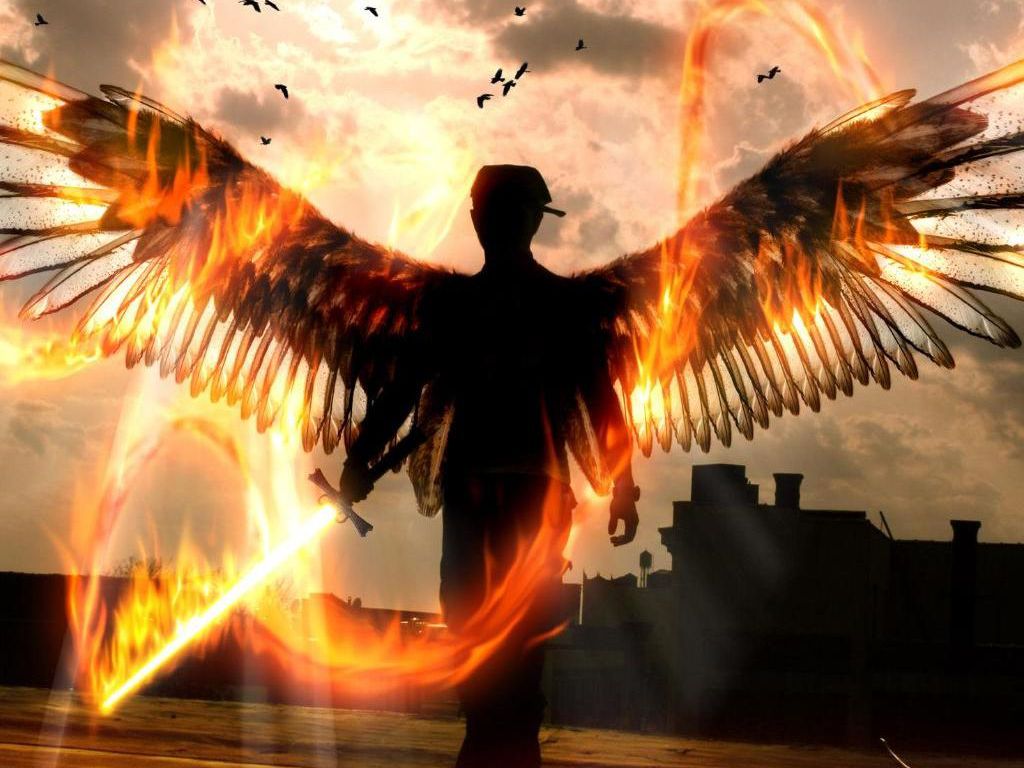
angel wings

Angel of The Fall will be released in 2015 from Permuted Press, the first novel in a spin-off trilogy from the first Wrath series. I’m going to be very busy!

The main character, Malack, is an actual angel of the Lord, a deeply flawed character who desperately wants to see mankind avoid its own inevitable destruction. In the first novel, Mal tries to stop the next world war the world will come to call The Fall, while he remembers his long path through history. He has been a warrior, a recluse, and a monk. He struggles to understand his own destiny.

Here’s a sneak peek…

Chapter One

Past

The first death hurt the most. He was only an hour old when he died, and he did not know his nature yet. His demise was preceded by the worst thing he would ever see, the worst thing anyone could see.

Malack opened his eyes for the first time on a sun scorched rocky hillside to blinding light and the sound of hammering and cheering and wailing. He wore tattered robes and a scruffy beard, with sandals on his feet. He possessed no memories, no sense of context as he trudged up that hill toward the sounds.

Where am I? Who Am I?

He knew how to walk and form thoughts, though he did not yet understand how he knew these things. It was hot, and somehow he comprehended this, the knowledge of hot and cold. He wondered how, and puzzled how he knew enough to wonder.

He picked his way in the direction of the commotion. A walled city sprawled behind him. Smoke snaked from chimneys, armored soldiers glittered in the harsh light, and the air tasted wrong and despaired. More cheering up the hill.

With each step, Mal felt purpose and awareness building in his chest. It was a terrible fury and fear, urgency mixed with anguish. He quickened his pace, ignoring smashed shins and toes, reckless with the need to act. He did not know why he felt these things, only that there was no denying the impulse.

He crested the hill. One rise away, three men hung nailed to wooden crosses. Mal was too far away to make out the details, though over the next two thousand years he would relive every one. The taste of the rock, the scent of his own sweat, and the cries of the crowd would be with him for millenia. His heart hammered and his head throbbed and the crowd roared. He felt something akin to hunger, a kind of pressure pent up in his chest demanding release.
He sprinted up the opposite slope, not knowing precisely what do do, but certain of the need to strike and defend.

And then there were Roman soldiers.

“Where do you think you’re going, Jew?”

Mal understood the words, though he did not ponder this because he had no time.

“Make them stop,” Mal gasped. His voice felt as wrong as the air and the light.

The soldier smashed Malack in the stomach with an angry fist, followed by a kick to the face. He dragged Mal up the hill by the hair.

“I hate Jews,” the soldier said. “Troublemakers.”

“Ugh,” Mal coughed at the second blow. He’d never been struck before. He did not know how to strike back, so he took it. He hurt, and this, like everything else, was new to him. The soldiers beat him with casual vigor, in no particular hurry. They chuckled while Mal crawled forward, blinded by blood, his face caked with tiny pebbles. He clawed in the direction of the next hill, fingernails torn and raw. He felt a sharp blow to the back of his skull, and his vision blurred and narrowed to a dark tunnel.

“So much for your king,” one of them said.

A soldier yanked Malack by the hair, pulling him up to his knees, and forcing to watch a spear pierce of of the men nailed to a cross. The crowd erupted in a cacophony of cries, euphoria and despair at war on the wind.

Mal raged and trembled and something tore in his soul, and he felt an electric connection to a weeping, convulsing universe. Then there was hot steel on his throat, and that was the first time Malack died.

Malack would spend centuries struggling to understand that a hero is not necessarily the hero of his own life. Throughout his many lives, he would battle his own demons of anger and guilt, along with very real demons who walked the earth. His path was long, rocky, and mean. He would be a monk and a recluse, but above all, a warrior. It would be over two thousand years before he would have the answers he craved.

Chapter Two
present

“This interview is being recorded,” said the American in a tired suit.  Sweat stains peeked from around his armpits as he  bent to pick up a manila envelope, which he dropped loudly onto the desk.

“You have no rights. You gave up your rights when you decided to become a terrorist.  You may call me John. If you cooperate with me, things will go better for you.  Now. State  your name.”

“I have had many names. You may call me Mal.”

Clad in an orange jumpsuit and shackled to a steel chair at his wrists and ankles, Mal smiled serenely.  His dark hair hung to his shoulders and his beard was unkempt; his body ached from the repeated beatings delivered by the Saudi Secret Police.  They were seated across from one another at a desk in the center of a sad concrete room illuminated by a single harsh light bulb. Mal shifted his heavily muscled frame in an awkward attempt to both convey his earnestness and also relieve the pressure on his lower back.

“I have nothing to hide,” he said. He’s a low level CIA operative, most likely. Maybe NSA.

“Let’s start at the beginning,” John said.  Malack chuckled at that.

“Does this amuse you?” John asked tersely, raising his eyebrows.

“You hate this posting don’t you?”  Mal shook his head slowly.  “Tell me.  Was it politics that landed you here or did you do something truly incompetent?  It must be one or the other.”

Mal was reasonably certain that he was still in Quatif, located in the northern part of the Eastern Saudi Arabian province.  Heat hung in the city in a way that got into your pores and then multiplied. It lingered like a stain upon the land, hovering just beyond the next breath and refused to be banished by nightfall.  It was unrelenting.  The locals here were as hostile to the westerners as the climate.

“See, you’re something of an enigma,” John said. “You are not on any watch lists. In fact, you seem to not exist. Your skills and lack of history smack of a state intelligence agency. You work for someone. Who? Are you with the Israelis? Massad?”

“You wouldn’t believe me if I told you,” Malack replied.

“Why did you attack the Prince?”

“Because he’s been funding terrorists right under your nose. Believe it or not, I’m on your side.”

“The Saudis are our allies. Your attack did nothing but destabilize the region.”

Mal laughed. “A bit late for that, don’t you think?”

“Who do you work for?”

“I work for no man, no government.”

The interrogator who said his name was John produced a plastic case with several syringes inside. “First we’ll try this, give you some time to think. Then we’ll get more creative. You know how these things go, Mal. You might as well accept the fact you’ll never see the light of day again.

“Why don’t you just execute me?” That would make things easier.

“Despite the rumors, we don’t work that way.” John stuck a needle into Mal’s bicep, cocking his head, an almost friendly look on his face. “Sweet dreams,” he said.
How I Came to Kill Your Brother

Damian Shiels PhD's avatarIrish in the American Civil War

I have come across many extraordinary stories during my time researching the Irish in the American Civil War. None surpass that of Sergeant Peter Donnelly of Company C, 1st Vermont Heavy Artillery. Almost uniquely, the historical record has combined to provide us with details of this ordinary Irish-American’s death from the perspectives of both friend and foe. I am extremely grateful to Peter Patten for initially alerting me to this remarkable account.* 

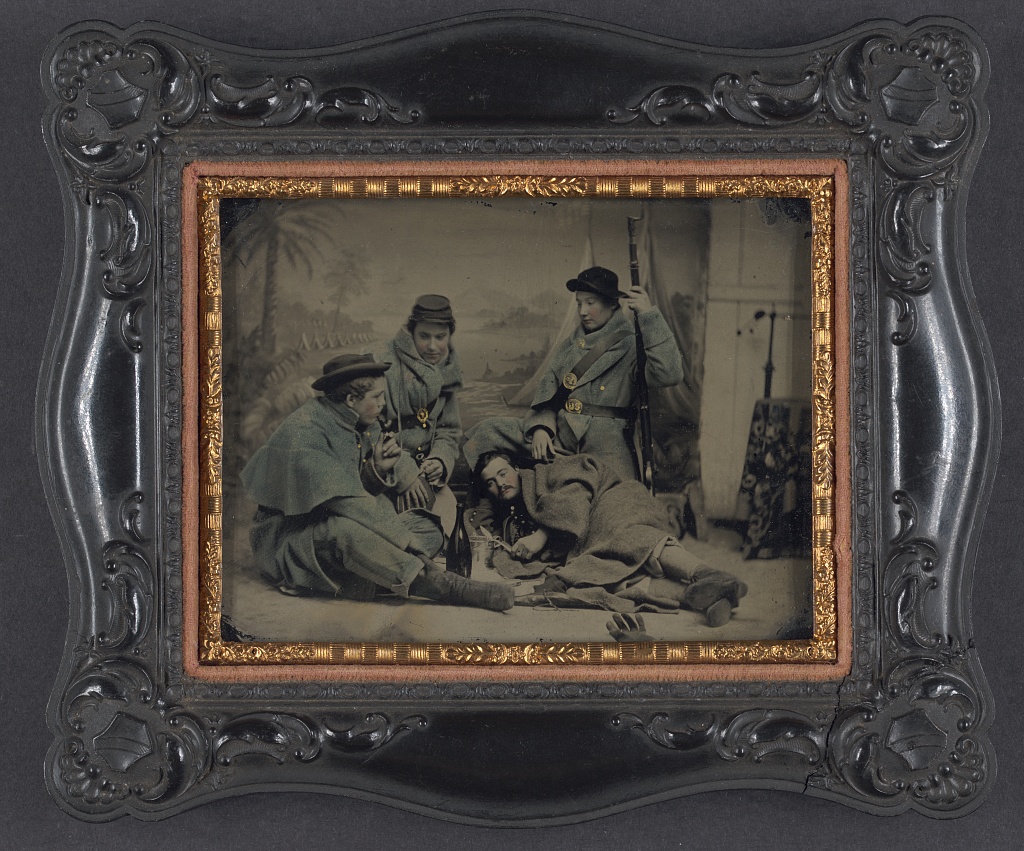
A soldier of the 11th Vermont (1st Vermont Heavy Artillery) poses with soldiers from three other regiments (Library of Congress) A soldier of the 11th Vermont (1st Vermont Heavy Artillery) poses with soldiers from three other regiments (Library of Congress)

John Donnelly and his wife Rose emigrated to the United States from the parish of Drumlane, Co. Cavan sometime before the mid-1840s. By the time of the 1850 Census they were living in Castleton, Rutland County, Vermont. John was then a 43-years-old and working as a laborer, his wife Rose was 36. 80-year-old Molly Hoy Donnelly (probably John’s…

View original post 1,922 more words