The War on Christianity: The Enemy is Also Us

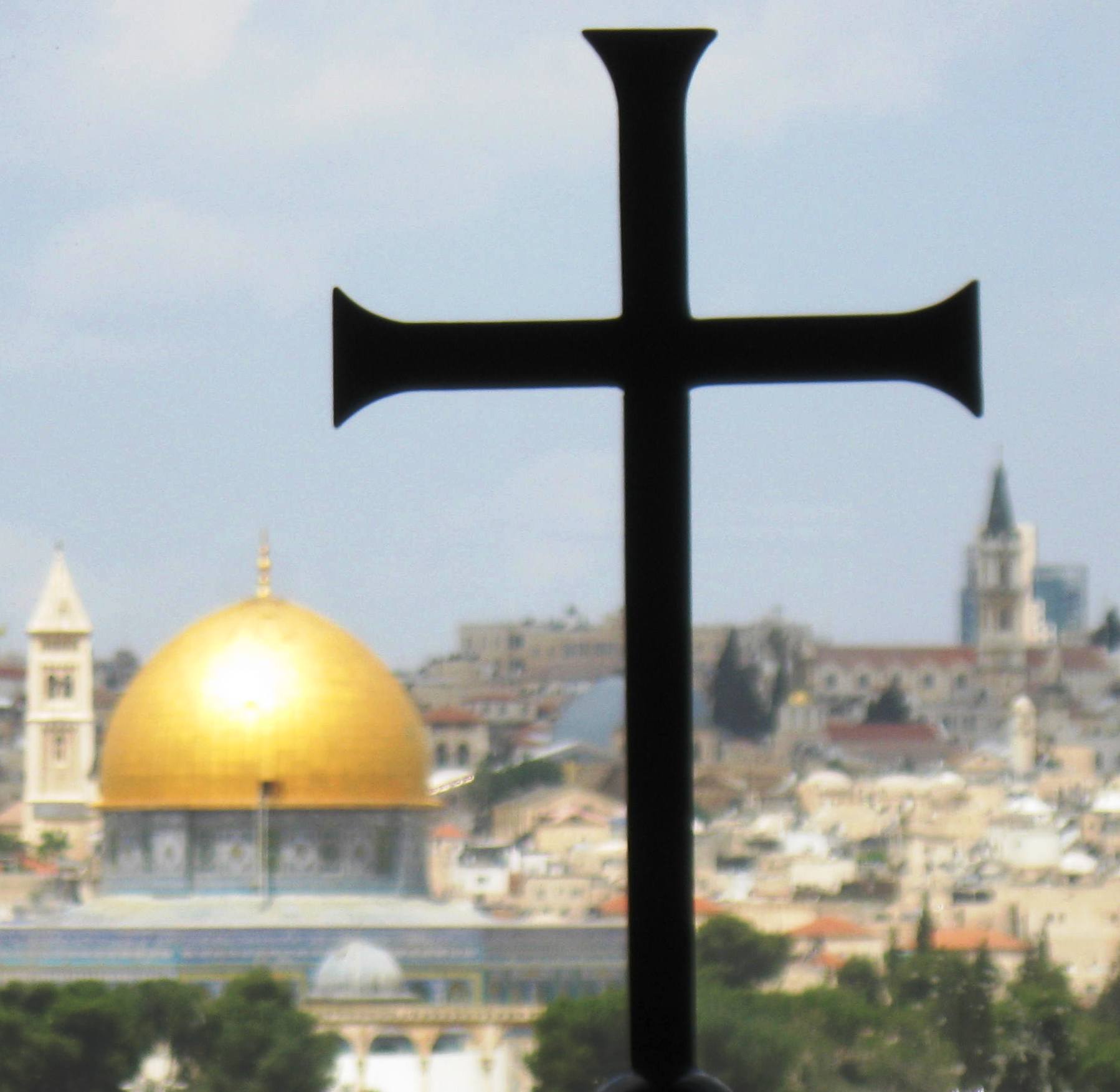
PikiWiki_Israel_13177_Christianity_and_Islam

Christians face many dire threats around the world, from the decapitations in the Middle East to genocides in Africa, to the persecution carried out by China and Russia. Here in the United States, we hear much about the war against Christians, but it seems to me that the greatest threat comes from within.

The word “Christian” is first used in the book of Acts, and it means one who follows Christ. In America, this definition has been lost, ursurped by other things. Politics, and economics have nothing to do with following The Lord, and yet it seems that many Christians identify themselves by how they vote and where they shop. There is a shrill meanness to the way many Christians go about it, and it gives the rest of us a bad rap.

Jesus gave Christians a great commission, to spread the gospel to the corners of the earth. In the United States, generations are turning from God, and well meaning Christians with microphones and political signs and spirits full of judgement are a big part of the problem.

What Would Jesus Do?

Remember this catch phrase? It was effective because it asked an excellent question. So what would Jesus do now, in this world of sinners like me? Let’s look at what he actually did.

He offered forgiveness. We celebrated Easter last week. Jesus was nailed to a cross so that our sins would be covered. We know that none of us are perfect, that the wages of sin are death. Christ died so that we would not be condemned, giving us grace we did not deserve.

It seems many Christians have forgotten this.

Jesus spent his time among the outcasts. The prostitutes, the tax-collectors,  criminals and sinners. He admonished men to leave behind their worldly belongings and follow Him. He was welcoming, not shunning, leading by example and truth, offering healing in a hurting world.

Judgement is reserved for God, not man. “Let he who is without sin cast the first stone..

Love Transcends Law…”The Greatest of These is Love”

The Old Testament Levitical laws no longer bind us. Entry into Heaven is given, not earned, and it is through faith not deed that we come to the Father. In James we read that “Faith without deeds is dead,”  but again, it is not for us to decide who has faith and who does not.

Christians seem to be focused on the wrong things. If we should, as Paul says in Hebrews “Fix our eyes on Jesus, the author and perfector of our faith,” we have lost sight of the things that matter, missing the forest for the trees. When I see the new pope washing the feet of a Muslim woman, I think, that’s what Jesus would do!

One of my favorite verses in the New Testament is Ephesians 2:3:

“Like the rest, we were by nature objects of wrath. But because of his great love for us, God who is rich in mercy, made us alive in Christ been when we were dead in transgressions–it is by grace you have been saved.”

A God-Shaped Hole

America is indeed hurting, and there is a God-shaped hole in each of us individually, and the nation entire. What we need is more Jesus, less hate. Greater love, less judgement. Faith which manifests itself by doing what Jesus actually did, bearing fruit that sustains a hurting world. Giving to the poor, helping the sick, spreading the gospel not with a sword but with the Truth.
Jamie Mason’s Guest Blog: Canadian vs. American Post-Apocalyptic Visions

Jamie 1

DEATH OF A NATION Canadian vs. American Post-Apocalyptic Visions

by Jamie Mason

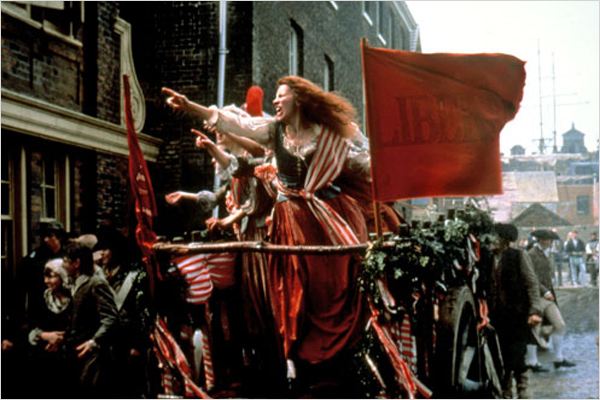
Broken windows stretch to the horizon. A noxious twist of grimy smoke clutches the clouds and a stench of bodies – the piled carnage of the City’s dead, an odor to corkscrew even the heartiest stomachs – lies heavily on the street. A door opens in a darkened shop-front and a man swathed in camouflage steps into view carrying an automatic rifle. The pearl-colored light reflects in his mirrored shades and the red, white and blue of his shoulder patch provides the only flash of color in an afternoon the hue of gun-metal and sorrow. A noise. He spins, bringing the rifle to bear … and is brought up short by the sight of a young, unarmed woman with a backpack slung over one shoulder, a maple leaf sewn into its pocket flap. She grins and flashes a peace sign. 1. The journey inevitably influences the traveller. But it is equally true that the traveler defines the journey. This is never more true than in the post-apocalyptic genre. One of my favorite films is the oft-overlooked 1985 gem REVOLUTION, starring Al Pacino. When Tom Dobb, the illiterate fur trapper Pacino plays, sails into New York Harbor on the eve of the War of Independence, he sums up the chaos unfolding in the streets tersely: “New York, goin’ crazy.”

jamie 2

The opening scene of that film confounds every expectation by painting the launch of the American Revolution with images of unimaginable brutality and human ugliness. Mobs smash British shop-windows, tear down statues of the King and (sadly for Tom) confiscate boats for the cause. Although history has vindicated the wisdom of the American Revolution as a critical step in the advancement of human freedom, I can’t help believing that the film’s portrayal is likely accurate. Strip away the historical bunting, and America was basically a colony that revolted against its landlords. Its birth was midwifed in a blaze of gunfire and death. War is war and, no matter how noble the cause, it’s always certain to unleash a level of apocalyptic violence. Canada’s birth was more ambiguous. We came into existence two short years after the end of the American Civil War, the result of a process that began in direct response to that conflict. By the time the British North America Act was passed, Canada was a sprawl of disconnected communities, ripe for annexation by a vigorous and ambitious neighbor. Invasions had been attempted five times in two previous wars and there was no reason to expect it wouldn’t happen again. (Indeed, a few of Lincoln’s generals lobbied for it.) Independence from a war-weary Britain seemed the most prudent way to secure the national welfare. Negotiations were lengthy and complex, tangled in British legal red-tape and impeded by competing colonial claims. Sir John A. MacDonald, our first Prime Minister, rose to lead a nation that was still very much unexplored and only just beginning to understand itself. Canada very literally emerged, blinking and uncertain, from the mists of the historical wilderness into a deafening silence.

Jamie3

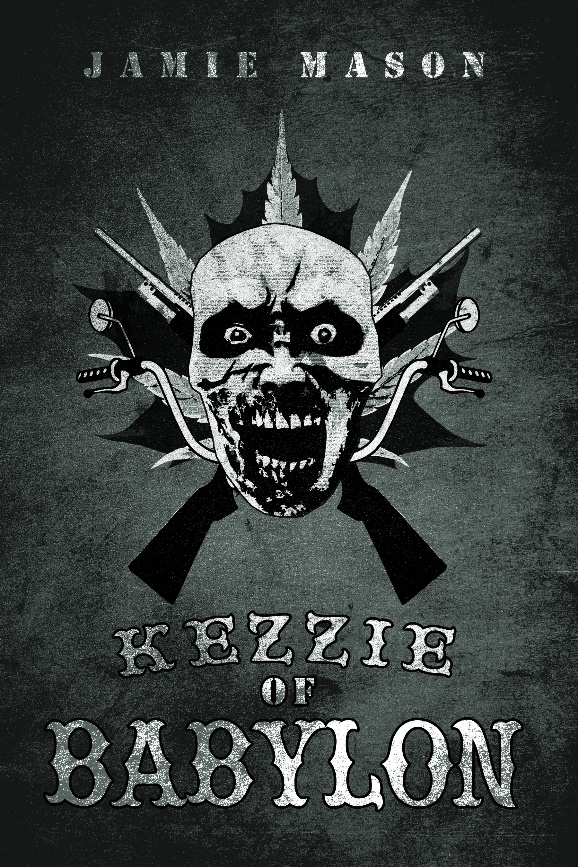
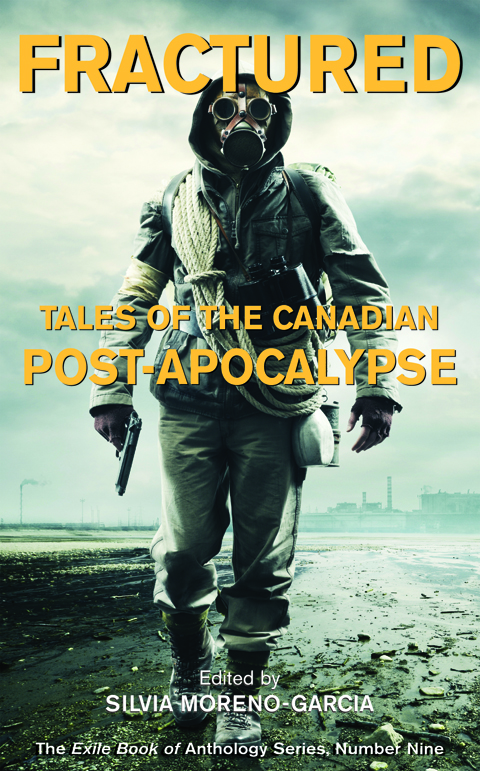
2. In our beginning lies our end. These two emergence narratives have served to shape, fundamentally, the contrasting American and Canadian visions of the post-apocalypse. I would hold that while television shows like THE WALKING DEAD and JERICHO and novels like WORLD WAR Z and THE PERSEID COLLAPSE portray a uniquely American apocalypse, Canadian equivalents such as ORYX & CRAKE, the collected stories of FRACTURED: TALES OF THE CANADIAN POST-APOCALYPSE and my own KEZZIE OF BABYLON (Permuted Press, March 2015) offer an equivalent Canadian vision unique in its own right. While there will always be an appetite for American entertainment north of the border, our American friends might be surprised to learn how our apocalyptic visions differ.

kezzie2

kezzie

3. ENEMIES & ANTAGONISTS Every good post-apocalyptic tale needs an enemy, and in American stories that enemy is usually a group or (in the case of zombies) a faceless horde which must be attacked and defeated militarily. THE WALKING DEAD handles this trope well, providing combat engagements pitting the protagonists against legions of zombies as well as human threats like the Governor and his dystopian serfs. WALKING DEAD s/heroes pack guns and katanas and these tools are always the go-to choice when trouble comes. This is not to dismiss other points of tension in the show (exploration, parlay with bad guys, character arcs), but to highlight the uniquely weaponized nature of the American post-collapse world. In a nation where the right to own firearms is enshrined in law and whose birth occurred in a storm of violence, it is logical that its death-throes would subside to the howl of gunfire. By contrast, the “enemy” faced by the main characters of Morgan M. Page’s poignant “City Noise” (FRACTURED: TALES OF THE CANADIAN POST-APOCALYPSE) is of an entirely different order. In Morgan’s vision, Toronto smoulders in the aftermath of a nebulous event known only as “The Crash” (an end every bit as ambiguous as our nation’s founding). The protagonists, Sarah and Johnny, are both transsexuals caught in the mid-point of transition when The Crash occurs, leaving them to scavenge in a blighted city for the drugs their bodies need in order to continue their biological migration. Instead of hordes of zombies to be vaporized by gunfire, the enemies Johnny and Sarah face are the ticking time-bombs of their own medically-altered biology, caught mid-way through a complex and transformative procedure

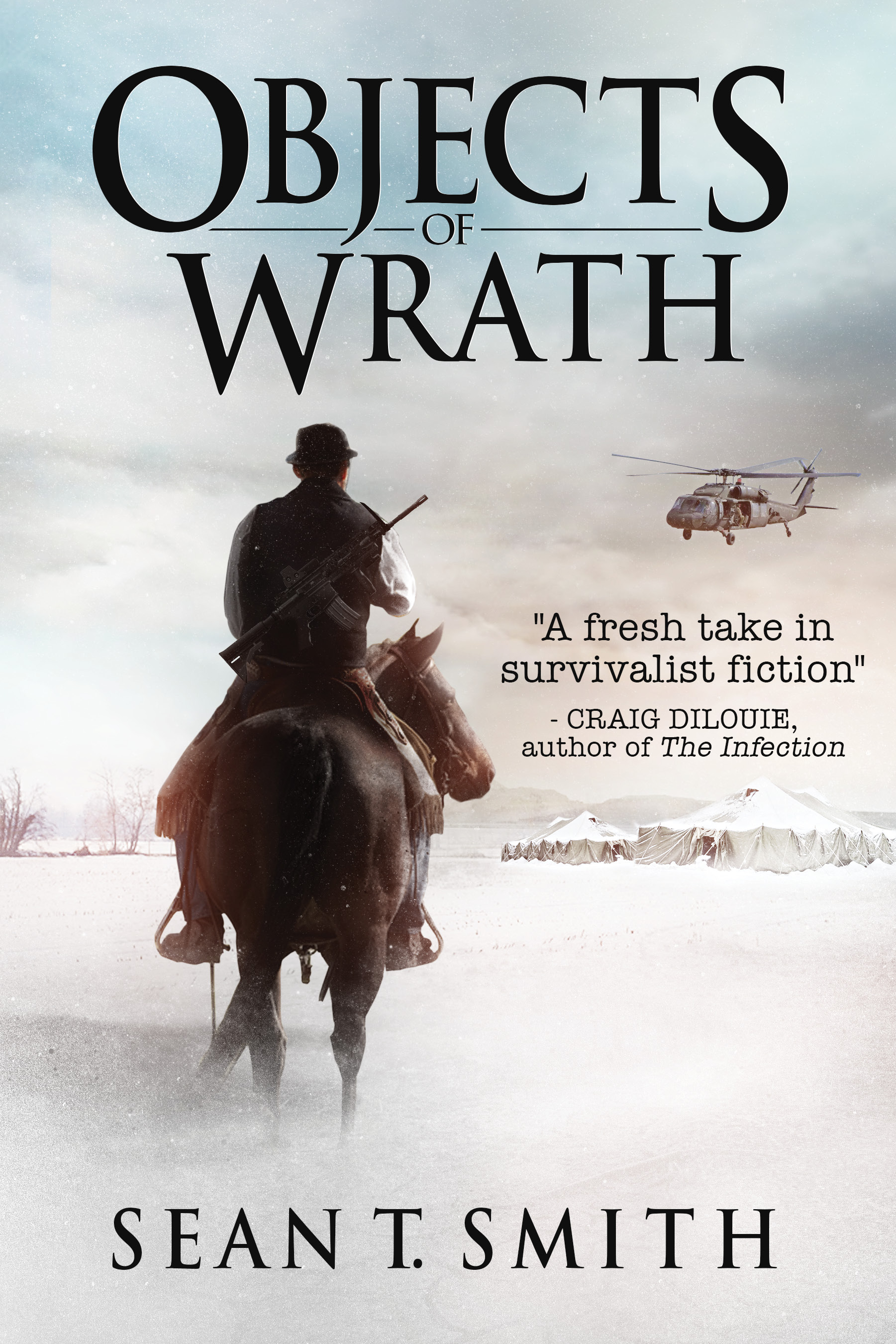
INDIVIDUAL VS. GROUP The cult of individualism is strongly rooted in the American consciousness and, for this reason, plays a titular role in any American post-apocalyptic story. The tendency for people to coalesce in a crisis is a historical given. But in American PA tales like OBJECTS OF WRATH (Permuted Press, 2014) the need for individualism sometimes leads to tragic results. One of the most poignant scenes in the novel involves a group of military first-responders flying into a remote encampment to offer aid to some backwoods survivalists. The unit’s doctor is turned away from caring for the group’s terminally-ill children because he is black. Here, hyper-individualism – the determination to survive with or without assistance from others, despite all logic – plays out in the ideology of a group existing in opposition to mainstream values of racial equality. Contrast this with the plot of my own novel, KEZZIE OF BABYLON (Permuted Press, 2015) wherein the Canadian tendency to seek accord and accommodation within groups – however dysfunctional – leads to disaster. A commune of biker outlaws, sheltered in the sanctuary of a remote grow-op in the hinterlands of Vancouver Island has, within its ranks, a deranged psychopath determined to impose her religious vision upon the group. The reluctance of the collective’s leaders to confront and disempower this person leads to murder, imposition of a form of worship that involves zombie crucifixion and (ultimately) destruction of the commune itself. Like those whose appeasement of the Quebecois nationalists resulted in the Meech Lake debacle, the reluctance of Buzz and Deacon to act allows Kezzie to take over and slaughter any who oppose her.

RELATIONSHIP TO NATURE Although environmental devastation often triggers the apocalyptic moment in American PA stories, it is rarely an ongoing threat as the plot progresses (THE DAY AFTER TOMORROW and Cormac McCarthy’s THE ROAD being the only exceptions that spring to mind). By way of final example, I contrast two short stories with the same title, one American, one Canadian. In Eric Del Carlo’s fascinating and brilliantly-rendered tale “The Herd” (OG’s Speculative Fiction, Issue #11), the Earth’s collapsing environment unleashes a series of devastating storms, driving a mass migration of human refugees ahead of them. Because I have spoken with Eric about the story’s origins, I can reveal that “The Herd” is based on his own experiences during Hurricane Katrina. Former residents of New Orleans, Eric’s family joined the stream of refugees clogging the highways just like the characters of “The Herd”. But it is what the storms cause people to do to each other as opposed to the storms themselves that form the real basis of Eric’s story. This in contrast to its Canadian counterpart. “The Herd” written by Tyler Keevil is first up in Exile Edition’s 2013 DEAD NORTH: CANADIAN ZOMBIE FICTION. In this unique twist on the zombie trope, Tyler presents us with a zombie horde migrating across the tundra, shadowed by an Inuit hunter. At play in this crisp, visually-evocative tale are all the elements of the classic Canadian wilderness survival story. It is Man against the elements as much as it is Man against … whatever. “A heaviness is in the air, a change in temperature, the wind, the look of the clouds. I know it is going to snow, and it comes in the early morning, just after the herd has set out. It arrives first, as a brief sprinkle … Then a lull, the air charged with a static crackle … Some of the deadheads stop, confused, and look up at this white confetti raining down …” – “The Herd”, Tyler Keevil, DEAD NORTH (Exile Editions, 2013) 4. And so we can see: the post-apocalyptic visions of both Canadian and American writers are informed by the human experience and social dimensions of the writers’ host countries. But it is in our origins, I think, that we find the defining characteristics of each country’s post-apocalyptic vision. We must remember that America and Canada are both nations engaged in the ongoing process of democratic evolution. Societies in both countries adapt to prevailing circumstances, learning from their mistakes, making mid-course corrections and each working to preserve the ongoing experiment that is any free society. We are unique, yes. But we influence each other enormously and are mutually fascinated by visions of the apocalypse. Americans, robust and individualistic, fight each other over possession of the wasteland while Canadians, willing to pay almost any price to remain within a group – however dysfunctional – seek to survive its ambiguous wilderness. As both nations emerge from history and grow toward self-actualization, we both imagine our own demise only to discover that we die very much the way we were born.

My friend Jamie Mason is a Canadian writer of dark fiction whose stories have appeared in On Spec, Abyss & Apex, White Cat and the Canadian Science Fiction Review. His zombie novel KEZZIE OF BABYLON was published in March of this year by Permuted Press. He lives on Vancouver Island. Learn more at www.jamiescribbles.com

A Life, Well Written…Heroes, Villians, Lies and Truth. One Draft.

tumblr_lcrbe0epck1qbpjxio1_500

I used to scoff at regrets, probably because they hadn’t yet accumulated enough mass. I was confidant and convinced, in the way young men are, that regrets are for for fools. I believed I could fight my way through life without the deep wounds and scars born of mistakes, and I charged with unswerving abandon and careless faith and speed straight into middle age. The truth hurts when it comes crashing. I’m an author, but I haven’t written my own life the way I should have, the way I would if I were a character in one of my own books.

“Whether I shall turn out to be the hero of my own life, or whether that station will be held by anybody else, these pages must show,”
Charles Dickens opens David Copperfield with that poetry, my favorite first sentence in literature.  Not only would I like to write like that, I’d like to succeed in living that great commission. Heroes fall and fail and triumph in the end because they learn from their mistakes, because they are able to feel the sting of regret and overcome great obstacles and great odds. There is always adversity, the thing is to defeat it.

I write heroes in my books that would despise me if they knew me, because they’re better, these characters and constructs who are more brave and good than I am. I’m just a writer, not a hero.  I’ve been writing and dreaming and lost in words and acting as though I had an editor for my life. Someone to excise the mistakes, cut the fat, correct the regrets. I’ve got just one draft, though, here and now, which is my life here on this earth. No auto correct, no edits, no way to change the character arc or tweak the ending. One draft, all the way through, is what I’ve got, and if it sucks, then it does. It’s a lowsy story.

I think there’s a bit more to it, though, than that. I’m far from figuring it out, and I’ve got my scars and regrets. I’m writing this interactive video game, where the characters make choices that impact the ending, and I think the universe is like that. Sometimes there are no good endings, no matter what, not here in this mean world. Mostly, though there are endings which could be satisfying when we, the actors in the play, the characters in the story of our lives, listen to the wrong things. I know I do.

Paul says in Hebrews 12:2 “Let us fix our eyes on Jesus, the author and perfecter of our faith.”   I’m an author, but I haven’t been the author of my fate, not in the way I’d like to believe I’ve been. I certainly haven’t kept my eyes where they were supposed to be looking. One draft, one chance to get it right, and my choices make a difference, and I’m still hoping that my life will be written well, both by me and THE author.

American Sniper: Reivew and Controversy

american sniper

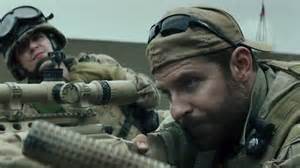
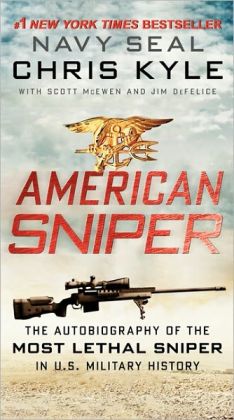
I read Chris Kyle’s autobiography last year, and when I learned that the book was going to be turned into a movie, I was thrilled and a bit skeptical. Clint Eastwood has delivered a movie that exceeded my expectations, a war film that deserves a place beside Saving Private Ryan and Apocalypse, Now. I hope it wins a truck-load of awards.

The pacing is excellent, juxtaposing scenes stateside with the war in Iraq. Bradley Cooper is utterly convincing in this role as the most lethal sniper in U.S. history. His performance is nuanced and heart breaking. The battle scenes are riveting. As the credits rolled, the entire crowded theater remained in their seats. No matter his flaws, Chris Kyle is an American hero, and this film is a great tribute to him and the brave men and women who risk their lives everyday defending our freedom.

Chris Kyle’s heart comes across better in the film than it did in the book, the inner conflict between duty and family, and the most emotional scenes of the movie revolve around Kyle’s inner struggle, whether it’s making an agonizing call on the battle field or a phone call to his wife.

There has been a surprising amount of controversy surrounding this film. A few celebrities have condemned it, Michael Moore publicly slamming the film. People have called the movie racist. Kyle experienced war in a way most men never do. He experienced savagery and witnessed atrocities that shaped his outlook on his enemies, people who were actively trying to kill him. He lost close friends in combat. The movie does not depict all Iraqis in a bad light; one of the most intense scenes in the movie does quite the opposite. The fact is, insurgents did melt into the civilian population, using IEDs and snipers to kill American soldiers. The notion that the film rewrites history is ludicrous.

The film is not political; it’s about what happened to the soldiers who were there and how the war stayed with them even when they were home. Whether or not the war in Iraq was justified or not doesn’t matter to the men and women who served in that fight. They carry the scars either way. The film doesn’t go into the justification for the war, doesn’t condone or glorify it. The fact is, war is ugly and mean and bloody and it’s always been that way.

Kyle prioritized his life thus: God, Family, Country. His ability to kill without remorse is chilling to soft civilians like me. I write about heroes, but I’m far from actually being one. But he’ s the guy you want at the gates when the city is under siege, standing on the wall, fighting back.

american sniper

I plan on rereading the book, and I’m sure I’ll watch the movie again before it leaves theaters. If you plan on seeing only one movie this year, see this one!

patriots promo

pic

cropped-objects_of_wrath_banner.png

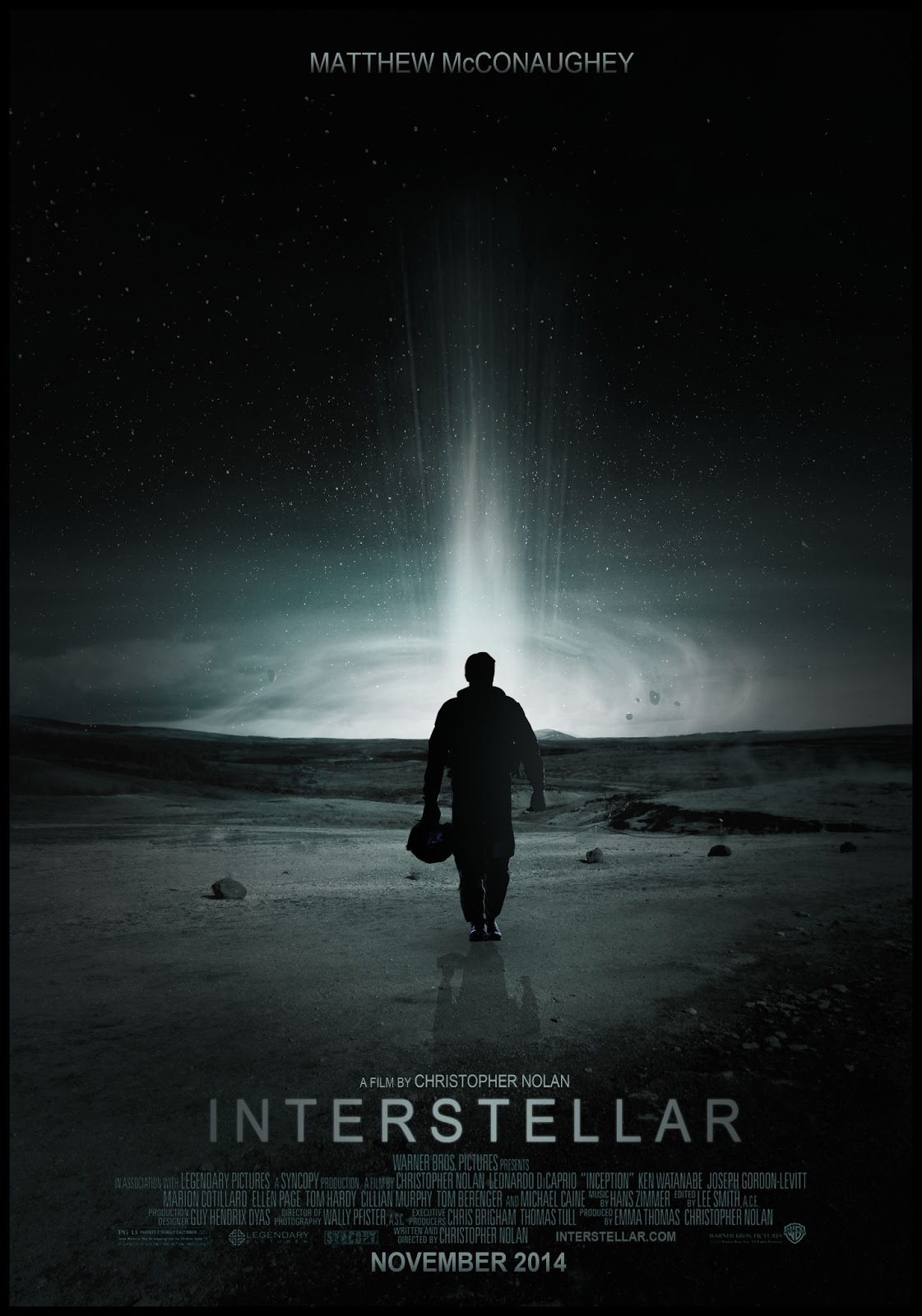
Interstellar: Review

interstellar full movie

I grew up reading science fiction, and it remains my favorite genre of film and books. Larry Niven, Jerry Pournelle, Robert Silverberg, Rober Zelazny, Heinlein, Azimov, and Greg Bear remain some of my favorite authors. I enjoy the hard-sci fi as well as more playful space opera. I love the first Star Wars movies, and I also really like Contact. I loved The Edge of Tomorrow. Heck, I even liked Riddick.

So it was with great anticipation I forked out the extra bucks to see Interstellar on a super-big screen. I’d been looking forward to this one since I’d seen the trailer for it last year.

Of course, I was doomed to disappointment. It’s a rare thing when lofty expectations are met. It’s a decent movie, but I was hoping for something, well, stellar.

I liked the premise, the idea that the Earth had turned against humanity, leaving mankind no choice but to reach for the stars. The scenes of cars and trucks laden with people migrating to anywhere else were reminiscent of the Dust Bowl and Steinbeck’s Grapes of Wrath.

The acting was good, with Michael Cane and Mathew McConaughey delivering solid performances. The special effects were excellent, and there were some breathtaking scenes in space.

But there were too many moments where I scratched my head and said “What???” I had to resist the urge to turn to my wife and criticize the movie, risking the wrath of fellow movie goers, and I didn’t want to be THAT guy. So I sipped my drink and simmered.

My issue with this movie is that it pretends to be smarter than it actually is. Had I gone into the movie with a different set of expectations, I think I would have enjoyed the film much more.

Interstellar-movie2

SPOILER ALERT

When the crew is on the planet with the massive tidal surge and a character drags her feet instead of returning to the ship, I cringed.

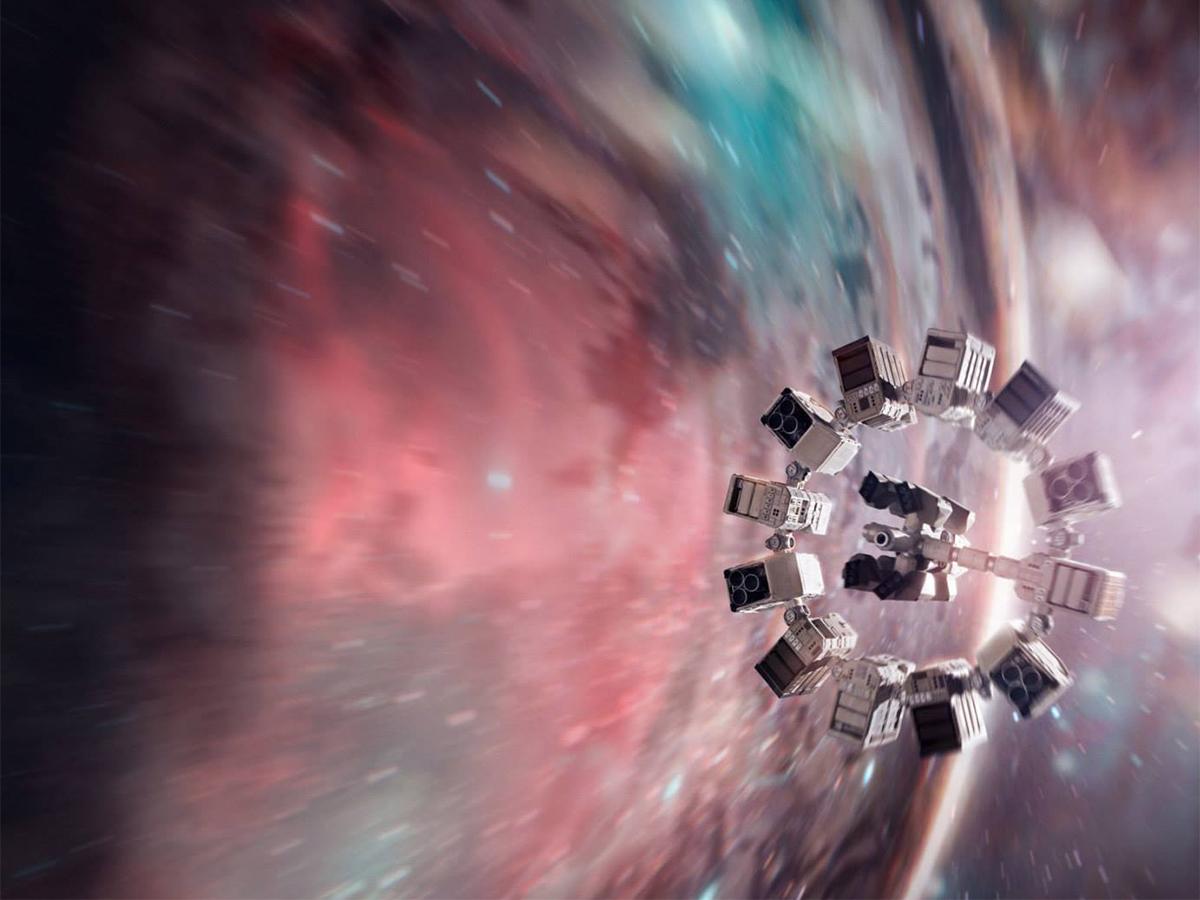
When they decide to investigate planets orbiting a black hole, I thought, why the hell would they do that. Black holes are inherently unstable, dangerous things you stay away from.

When the survivors leave a planet and within ten seconds are drawn into the black hole’s gravitational pull, I rolled my eyes. When they arrive at this black hole minutes later, not crushed by the gravity, I squirmed in my seat.

In the library of time, where past and present are laid out in extra dimensional space, I wondered what the hell was going on.

And the ending, where our hero decides to return, somehow without any time distortion, drove me nuts.

So there it is. I found the movie to be visually stunning, and emotional, but the massive plot holes and shoddy science detracted from the overall experience. If I’d known going in that the movie was essentially silly, I could have rolled with the inexplicable twists and turns and made up physics.

It’s worth watching on the big screen, just be prepared.

Russia Rising: The Cold War Gets Arctic

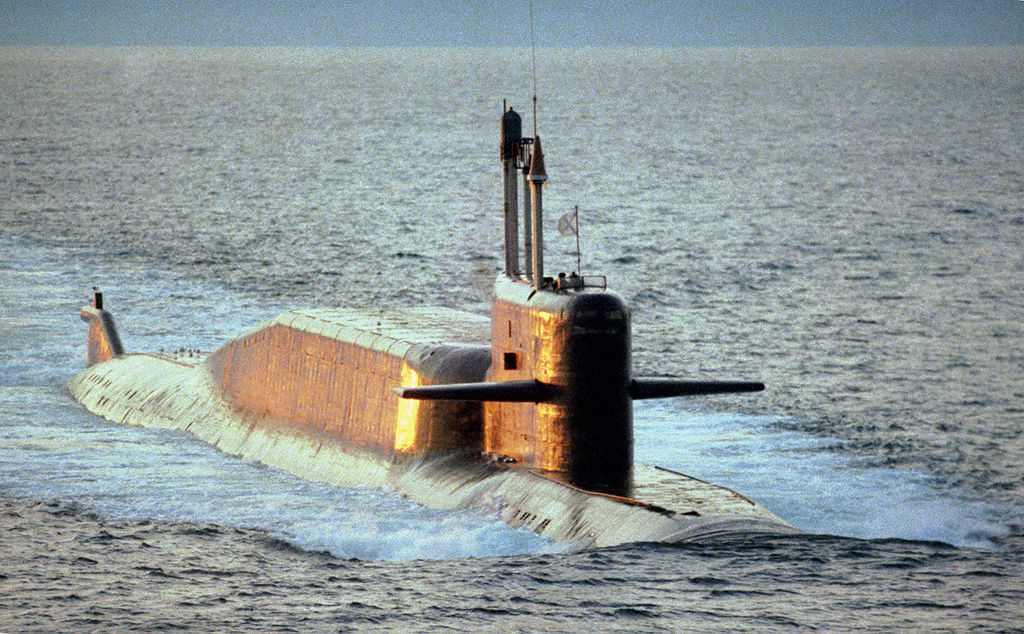
The search for a Russian submarine off the coast of Sweden conjures images of Tom Clancy novels, and sheds light on a conflict brewing for generations. The cold war never ended, and it’s more dangerous now than it ever was. The U.S. military is paying attention; the rest of us should, too, for our lives and the lives of our children depend upon it. This is not the time to be slashing our defense spending, and in particular, thinning the ranks of our military by giving the boot to combat veterans and officers with experience in the name of slashing budgets. It’s ludicrous and dangerous. I’ve personally spoken to many active duty personnel who are outraged by these cuts, this purge, and while I at first thought it was some kind of spin, I’m now certain it is true. It scares me. Russia is rising. In the Ukraine, Russia sends in troops under the guise of humanitarian response, ignores the rest of the world, and pursues its own expansionist goals with methodical, ruthless abandon. There is method to their madness.

russian sub

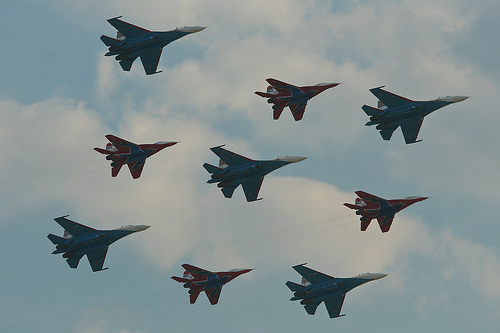
U.S. fighter jets intercepted Russian bombers off Alaska and California in June, another in a long string of recent potentially deadly aerial encounters. Four long-range Russian Tu-95 Bear-H bombers, accompanied by an aerial refueling tanker, flew into the U.S. Air Defense Identification Zone, an area extending 200 miles from the North American coast, off Alaska, where they were intercepted by U.S. F-22 fighter jets.

Two of the Russian bombers peeled off and headed west, while the other two flew south and were identified by U.S. F-15 fighters within 50 miles of the California coast.

Gen. Herbert “Hawk” Carlisle, in a presentation to the Center for Strategic and International Studies in Washington, said this:

“They’ve come with their long-range aviation off the coast of California; they circumnavigated Guam,” Carlisle said, showing a picture of a U.S. F-15 fighter “intercepting” a Russian bomber off the Pacific island.

In April, a Russian SU-24 fighter jet made a dozen close-range passes by an American warship, the USS Donald Cook, in the Black Sea in what the Pentagon called a “provocative” move while tension continued to ramp up in the region.

russian fighter jets

Earlier this week, two Canadian F-18 fighter jets intercepted a Russian aircraft over the Baltic Sea, as Russian military activity increased in the area.

in September, NORAD reported that Canadian and U.S. jets scrambled and intercepted six Russian aircraft within the Air Defense Identification Zone, which rings most of North America.

Russia has simulated bombing runs against Sweden, invaded its air space time and time again. Fighter jets swoop in on NATO aircraft, violating both common sense and international law, roll to show off a weapons load, and then stick around until the West scrambles fighters to escort the Russians away.

Why would Russia be doing this? To test response time, of course. To intimidate and bully, certainly. To probe for weakness. What is their long game?

It’s about oil and power.

Recent discoveries of oil and gas under the sea floor in the arctic reveal that the area may contain up to 30% of the worlds oil reserves. Since much of the ice is melting, a new Northern Sea Route, an alternative to the Suez Canal is a real possibility.

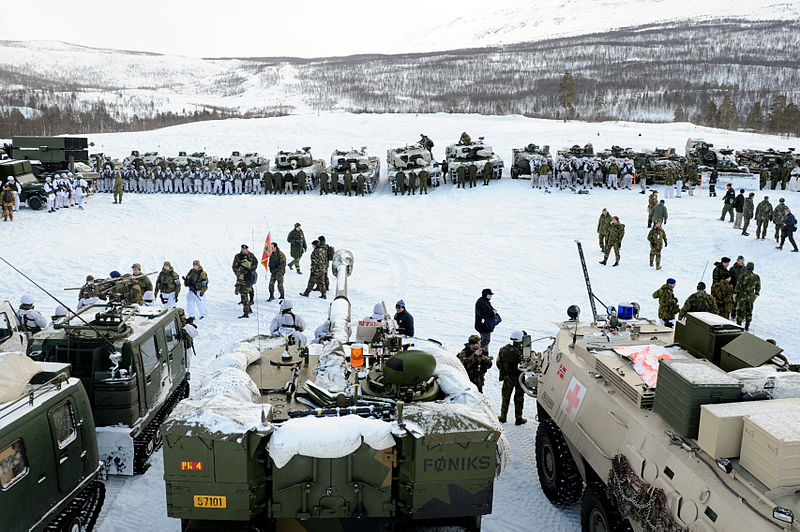
Arctic Military Command

arctic command

The Russian news agency RIA Novosti reports that a 6000 member force of permanent troops will be established in the Arctic region. Russia is reactivating Soviet bases in the area. They annexed an island last week, and are building air strips capable of supporting fighter jets.  Russian Defense Minister Sergey Shoigu said on Tuesday, “We have moved into the Arctic rather actively and this year we shall have many units deployed along the Arctic Belt – in fact from Murmansk to the Chukotka Peninsula.” He went on to say,“This is fundamental, large-scale work.”

Russia is shifting it’s fleet, creating a new Northwest Command, which will protect it’s interest in the arctic region. Russian training exercises, including the use of paratroopers, has increased exponentially in the last year.

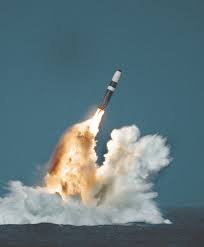
President Putin announced in September that Russia is developing new nuclear weapons and increasing its offensive capability. Russia’s nuclear deterrent and doctrine is based around the use of a First Strike. The United States has announced it will also increase it’s nuclear capabilities, and is developing weapons capable of striking targets anywhere in the world within an hour. Over the last year, both countries have increased the deployment of nuclear weapons.

Earlier this month, Russia announced it will not renew the twenty-year old Nunn-Lugar Cooperative Threat Reduction Program, which was a crucial partnership between the United States and Russia to dismantle and decommission chemical and nuclear weapons. More than 7,600 warheads were dismantled under that program.

Now, both sides are building more nuclear weapons

Russian nuke.

The Land Grab

Against this backdrop of threats and volatility and military buildup, a land grab is coming. Russia is going to try for more oil-rich land, and it’s going to happen in the north. They may try to invade one of the Baltic nations, testing NATO’s resolve. Russia could waltz into Sweden or Norway with little conventional resistance. Much of Europe is disarmed, relying on NATO and the United States for defense. But would the U.S. or NATO be willing to use nuclear weapons in that event? If Russia puts boots on the ground, supported by armored divisions and aircraft, how does that war end without one side resorting to the use of weapons of mass destruction? The use of a tactical nuke on a battlefield could lead in seconds to a retaliation and escalation.

There is always hope, and perhaps clear heads will indeed prevail.

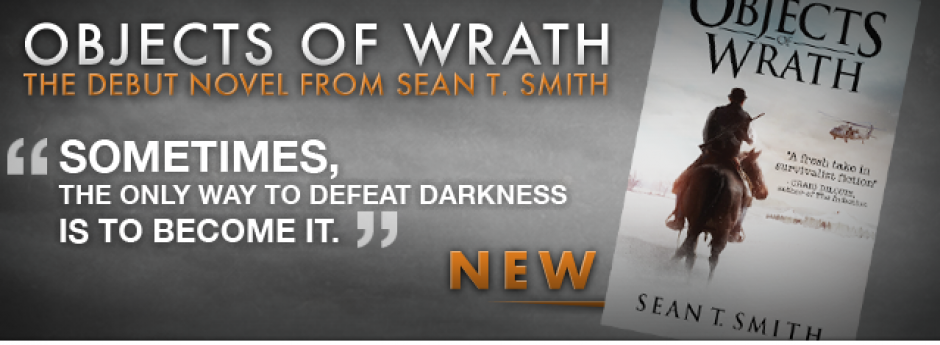
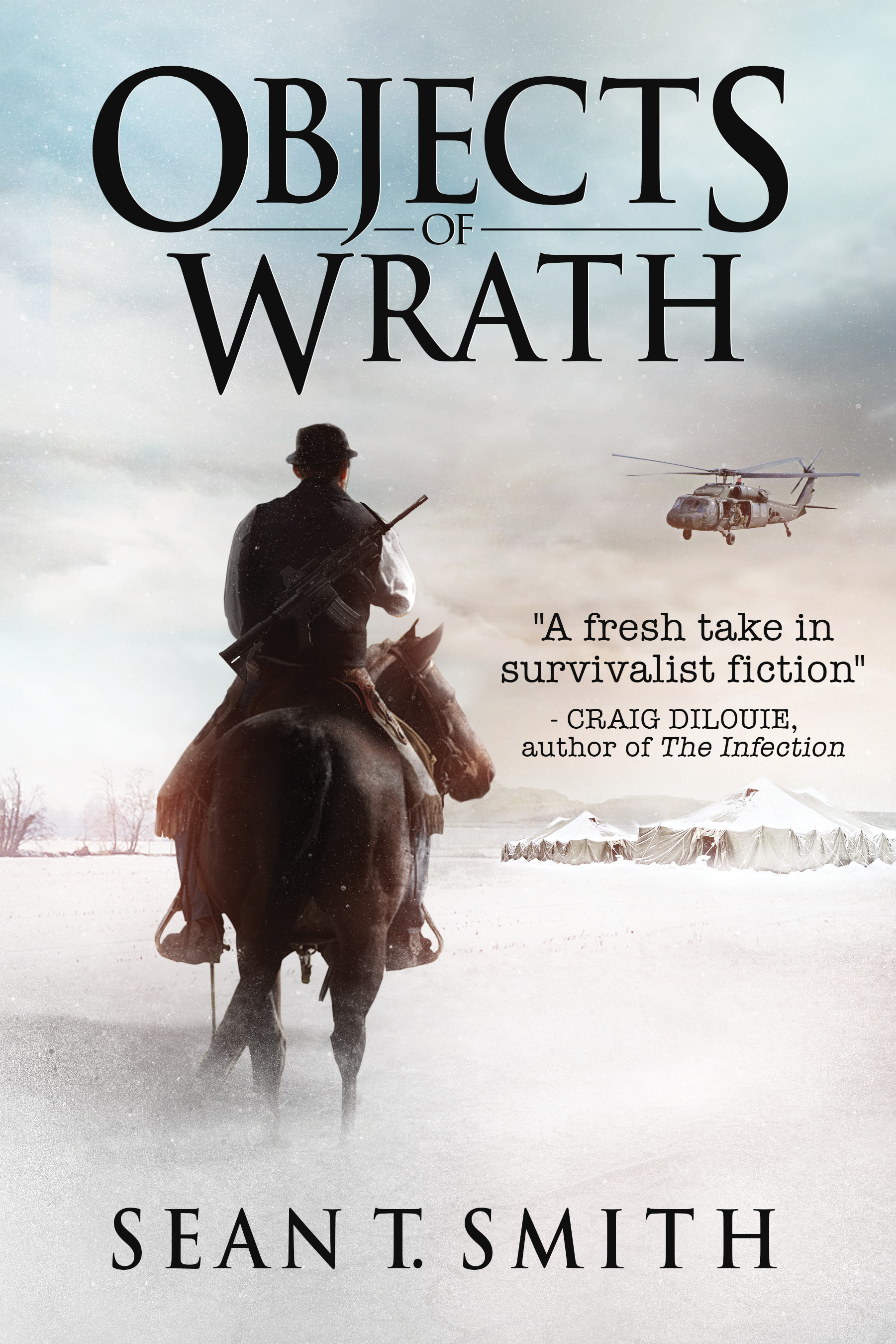
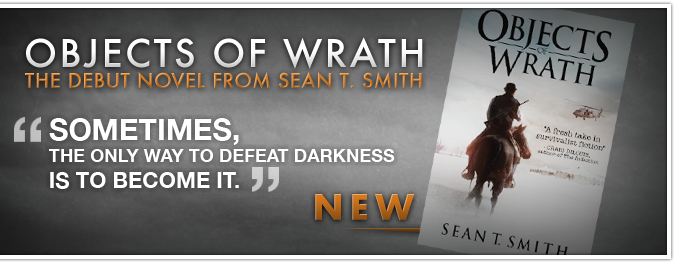
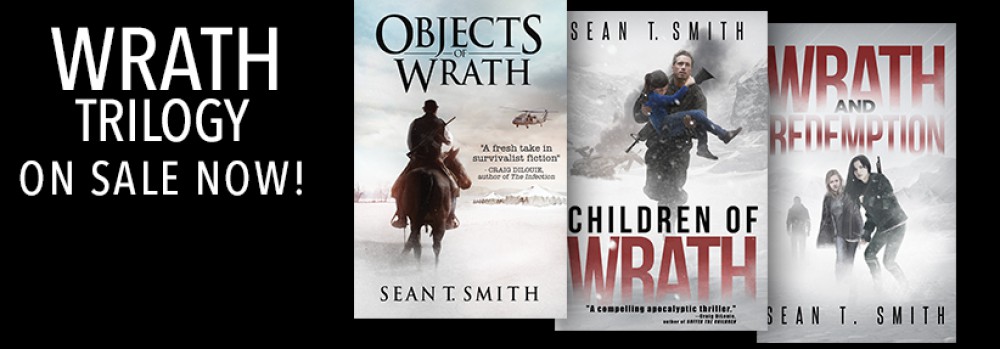
I wrote about the outcome of such a conflict in my novel Objects of Wrath. If you are intrigued and terrified by this scenario, please check out my books!

ObjectsOfWrathcover

https://www.goodreads.com/author/show/7873199.Sean_T_Smith

The End of Times… War and Rumors of War

apocalypse 

Mankind has always possessed a morbid fascination with the apocalypse. From the Biblical Flood and Mayan calendar to modern day science fiction, civilizations have been aware and intrigued, sometimes terrified, by their impending doom. In fiction, this is entertaining, but the reality is more chilling. Societal collapse has been a recurrent theme in our history, and perhaps this is one of the reasons we are drawn to books like The Stand  and television shows like The Walking Dead.
For many Christians, the End of Times means the rise of the Anti Christ, Armageddon, and the return of Jesus. Christians have been looking toward the heavens for about two thousand years now, wondering if this is it.

Apocalypse2

Sad ruins remain to remind us that the world as we know it is far from eternal. Entire cultures in the Pacific rose and fell, and disappeared. The mighty Mayans are gone, the Roman Empire fell, sacked and destroyed from within. Yet, even those breakdowns did not lead to the destruction of the human race. Life went on.

Easter-Island_CE0Y-I2DMI

Only in the last sixty years, the blink of an eye in terms of history, has mankind developed the ability to cause its own extinction. While in the past, a meteor strike, super-volcano, or a blast from a star light years away could have erased us from the planet, we now can do it ourselves with the push of a button.

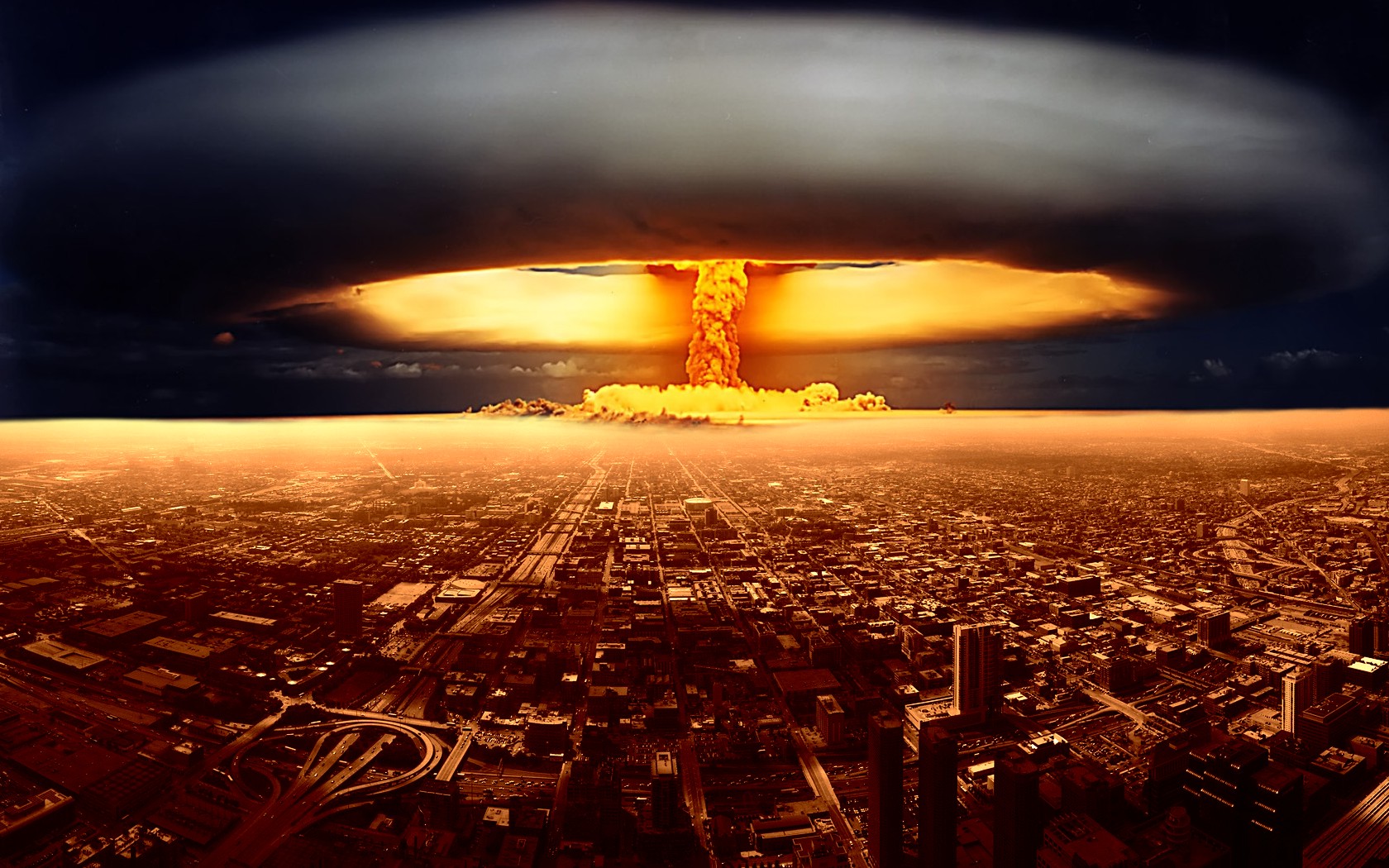
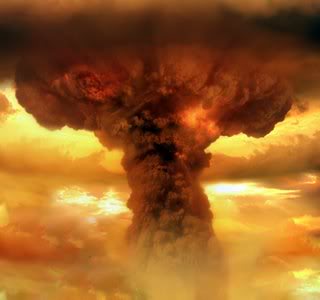
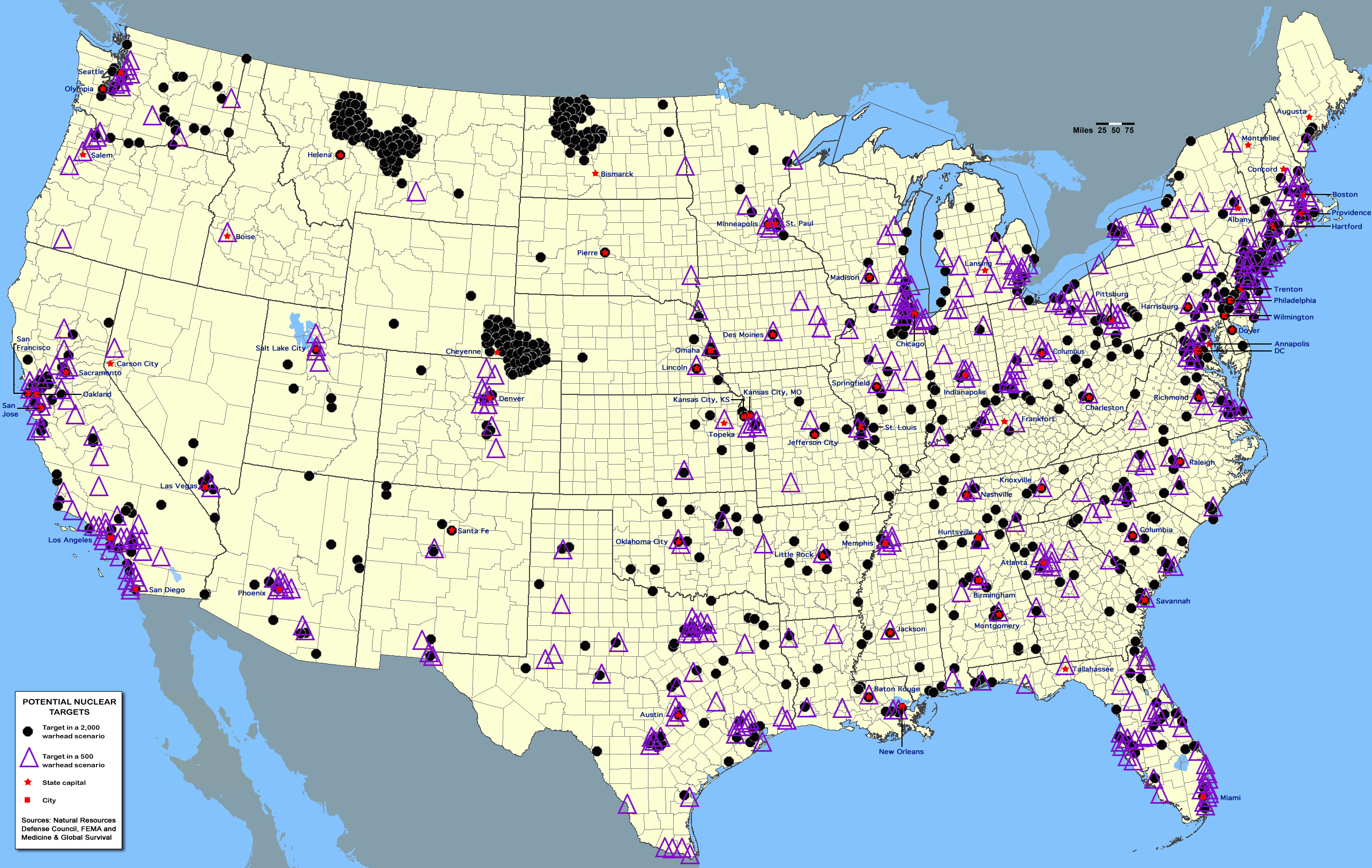
A global nuclear war is one obvious way this could happen. To put this in perspective, consider that Russia and the United States possess thousands of nuclear weapons. Russian weapons are dirtier and their largest nukes are more powerful than those in the United States’ arsenal, but it’s irrelevant. The tipping point for a nuclear winter is roughly one hundred explosions, according to the most recent science. There has been debate over the years on this topic, with some estimates coming in at only thirty or forty simultaneous explosions causing the planet to go cold. If thousands of these weapons were launched, that’s the end of us. The atmosphere is choked with radioactive ash, obstructing sunlight, the temperature falls, plants die, and there is no more food. The animals die, and homo sapiens  perish right along with the rest of them.

114c933a8d981a273b7188700ad4a80d

In the last sixty years, we have also decided to come up with other, creative weapons of extinction. Biological weapons could do the job just as well as nuclear bombs. Our scientists tinker with viruses, which actually alter DNA, finding ways to make these things more deadly. A genetically altered virus could end our species. We’re looking at the worst outbreak of Ebola, a virus as scary as its name, which according to Dr. Tom Frieden, the Director for the Center for Disease Control and Prevention, “is the world’s first Ebola epidemic, and it’s spiraling out of control. It’s bad now, and it’s going to get worse in the very near future. There is still a window of opportunity to tamp it down, but that window is closing. We really have to act now.”

Against this backdrop, we now have the greatest level of danger in the world we’ve seen since World War II, with Russia poised to trigger a global war over the Ukraine, and Vladimir Putin on the throne and his finger on the button, not the kind of man to face in the ultimate game of chicken. Because, he’s the guy that doesn’t swerve at the last minute. Then of course, there is the militant, insane, ISIS movement which is spreading like the black plague, a tide of evil which is consuming countries torn by war. The radicals are willing to stop at nothing, bereft of the slightest shred of morality or human decency, killing innocents without remorse or hesitation, and seeming to relish every shot  Shia, every cut throat.

In Gaza, Israel sends in armored vehicles to stop rocket attacks on civilians, and levels schools, homes, and lives. Israel is defending itself against attack, against those who use children as human shields in order to gain support from around the world. Hamas WANTS to provoke Israel into these attacks. It’s Terror 101. Israel becomes more isolated from the rest of the world, increasingly vulnerable to attack from neighbors who have invaded time and time again. Israel also has nuclear weapons, and while they will never confirm this, everybody knows. If Israel is attacked, and it’s really just a matter of time, they will use these weapons if it looks like the war is lost. It’s called the Sampson Option, and it is chilling.

The Old and New Testament in the Bible lay out some things which have come to pass that are irrefutable, though seemed highly unlikely. Israel, it was foretold, would cease to exist, and it’s people would be scattered. That happened more than once. The temple would be torn down. The Romans did that. Israel would become a nation again. This seemed impossible, yet in 1948 Israel was again a nation. One of the last important pieces of scriptural prophecy is the rebuilding of the Temple. There are plans underway now in Jerusalem to do just that.

Whether one believes in the prophecy or not, those things did happen. The book or Revelation, the last and scariest book of the Bible, is rife with images and verses open to debate, with the scrolls and seals being opened, the four horsemen of the apocalypse coming, and death on a pale horse riding to doom mankind.

These may not be the end of times, and perhaps humanity will figure out a way to become better, alter its essential warlike nature and selfishness and transcend the hatred we wield like a sword. At no time in all of human history, though, has the end seemed quite so imminent or possible.

1240637_188503991321609_810787342_n

cropped-objects_of_wrath_banner.png


.

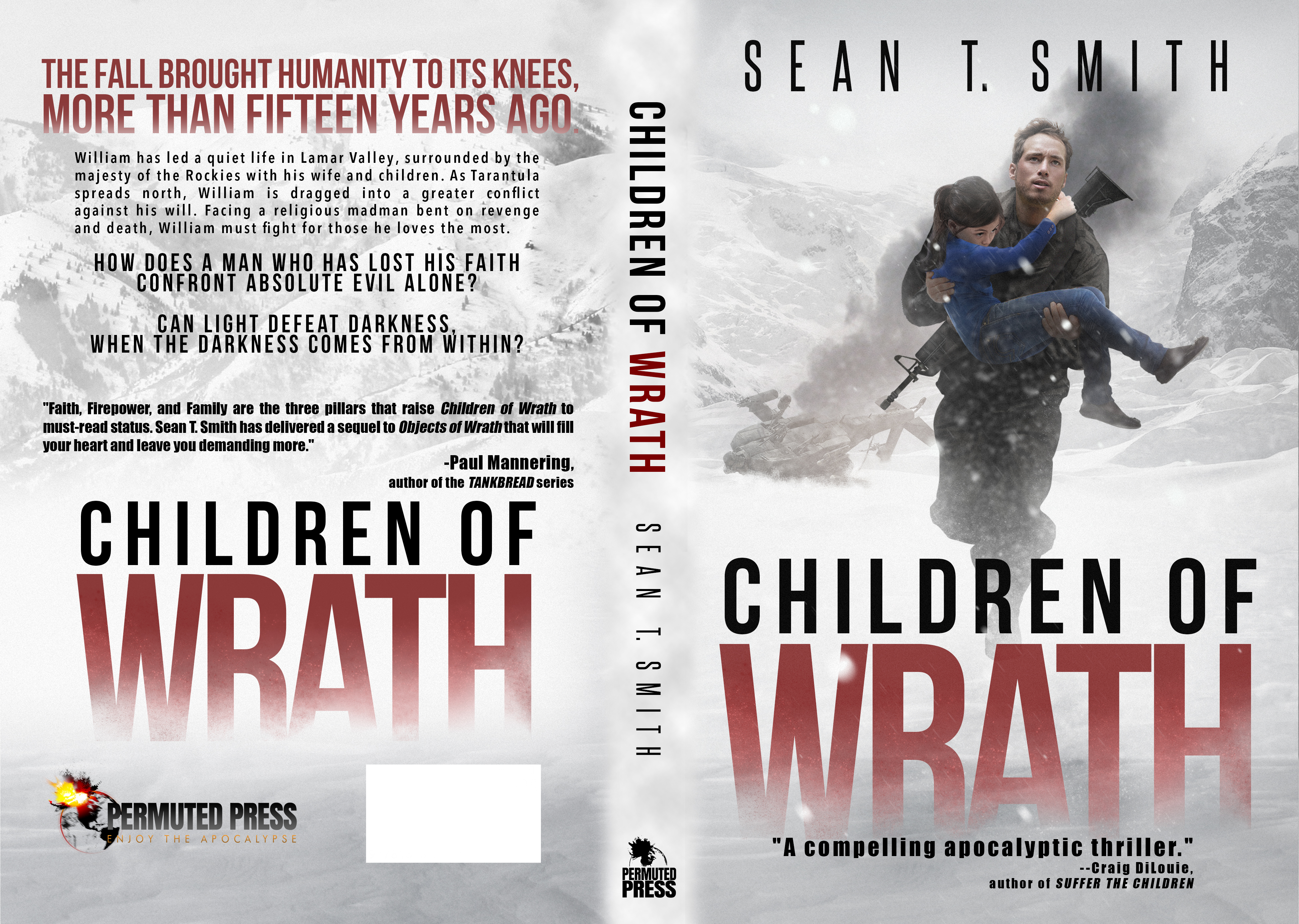
Children of Wrath…Available now on Amazon

Children of Wrath_Wrap_FINAL

A religious war threatens to destroy everything that matters to William. There is no escaping evil and madness…It must be defeated.

There is darkness, but always hope, even when it appears absent. This book is about holding onto faith in the face of evil and loss, and it picks up about ten years after the events of Objects of Wrath.  I hope you all will read this, tell your friends about it, and let me know what you think. I love interacting with readers, and I’m easy to connect with on Facebook, Twitter, and GoodReads.

This book is available on Amazon, Banes and Noble, and through itunes, in e-book format, and in about two weeks, in paperback as well. Objects of Wrath is also on audible.com as an audio book, and if you haven’t read that one, I’d suggest reading it first; the books are able to stand alone, but I don’t spend much time going into events that happened in the first one.

Thanks for all the support, and happy reading!

Angry with God….

angry with god

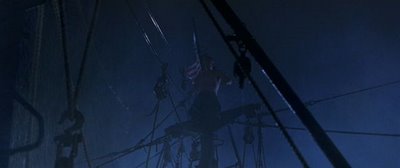
One of my favorite movie scenes is from Forest Gump, when Lt. Dan rages from the crow’s nest of his shrimp boat in the middle of a hurricane, shaking his fist at the heavens. Feeling betrayed by God, the universe, and life comes naturally to us, I think. It certainly does for me.

LT Dan

A central tenet of Christianity is the acceptance of God’s supremacy, and that in the end “all things work according to the good.” When looking at hurricanes, genocides,  and war, it is impossible for me to understand how these can be good. I can’t wrap my head around it, because it seems unjust. I grapple with these things on an intellectual level, but in the end I retreat into a leap of faith, admitting that a power as vast as God must be, there is no possible way I can understand the infinite permutations of destiny, the colorful threads connecting a universe larger than my puny mind can comprehend. When it’s personal, though, is when it becomes dangerous for me. My faith is not strong enough.

I recognize the futility of it. I understand there is no arguing with God, and that nothing good can possibly come of the attempt. And still I’m guilty of it. I look around at things, and I say to myself, “that’s not fair. Why?” It is ultimately a selfish emotion, at its root, even if it is couched in compassion. What I’m truly saying is “Why Me?” Which is absurd, human, and a bit pathetic.

I had a discussion recently with a Godly man, a much wiser one than I. I told him I was feeling rankled with God. ” Yes, I’ve made some big mistakes, made some dumb decisions, I said. I’m trying hard to rely on God, and I’m not seeing any improvements. In fact, things are getting worse.”

“I see,” he said, nodding his head. “So you’re angry with God because of things you did, and now you’re upset because He’s not fixing things as quickly as you like? Did I get that right.”

I had to sheepishly agree with him, and recognizing that made me feel a bit better. There are consequences. Perhaps it’s not God’s role to make those go away.

Sunrise

I’m working at focusing on the good, seeking out the light, and infusing my life with a greater sense of gratitude, for anger is a poison in our veins, a killing toxin. A life bereft of hope is tragic and lonely. I’m lowering my fist.


Continue reading

The New Cold War

Image

With Russian nationalism on the rise, troops and armor massed on the border of the Ukraine, and vitriolic rhetoric burning up the airwaves between Moscow and Washington, there is little doubt that the Cold War is once again very real. Russia has at least three thousand deliverable nuclear weapons, and the United States has somewhere around that number– more than enough to plunge the word into a nuclear winter. There seems to be the perception that the old Cold War doctrines of “Mutually assured destruction,” or MAD, and detente have fallen by the wayside and are no longer relevant, but that is not the case. The world is still a scary place, and right now, it’s the scariest it’s been since the Cuban Missile Crisis. The problem stems not only from the leadership,but from the people.

Image

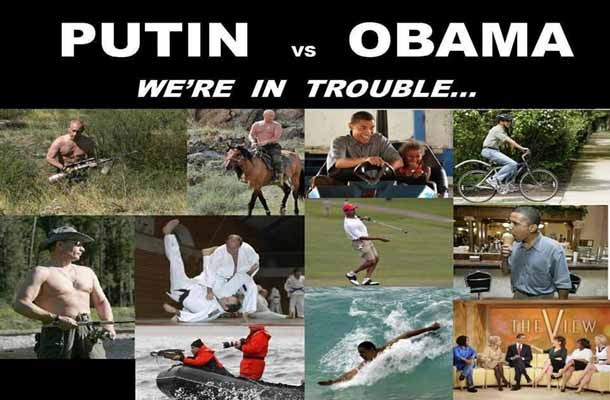
In the United States, President Obama is frequently called weak by the opposition. A casual stroll through social media will reveal a myriad of memes and posts declaring that the Commander in Chief is afraid of Putin, and that the United States should be doing more, whether in the Middle-East, or in Crimea. Conversely, within Russia, Putin is trying to shore up support for himself, and is appealing to lingering vestiges of pride many Russians still feel about the Soviet Union. This is a recipe for disaster. Two leaders squaring off with nuclear weapons, trying to prove a point.

Putin’s overly virile posturing, chest thrusting, bombastic aggressiveness might be laughable in other circumstances, yet the hawks within the U.S. seem to fixate on Putin’s pushiness and conclude that by comparison, President Obama is a weakling. Many of these people, including some of our elected officials, seem to think putting boots on the ground in Eastern Europe is a wonderful idea, that the United States should send more Aircraft Carriers into the region, including the Black Sea, and perhaps threaten direct military action backed by airstrikes and missiles. These hawks within the United States seem to have never cracked a history book, and they continue to howl about Obama’s capitulations, weakening the administration further, reducing our ability to act in a sensible fashion and further emboldening Russia. It’s ironic, and maddening. The notion that political dissension stops at the borders and does not extend to foreign policy is one of those Cold War rules that has indeed fallen away, and this makes the current international situation more volatile.

Image

Yet the U.S. has imposed the toughest economic sanctions against Russia since the Cold War (technically) ended. The United States has two carrier groups in the region, and recently sent ships into the Black Sea.

Russian fighter jets buzzed a U.S. destroyer in the Black Sea, flying at a mere five hundred feet above the deck. Russian long range bombers have frequently violated U.S. airspace off the coast of Alaska. Subs carrying nuclear weapons engage in games of cat and mouse beneath the oceans, just off our shores. We can hope clear heads prevail. We can pray that some twenty-year-old sailor or pilot or soldier doesn’t make a mistake, a single push of a button which could unleash World War Three. That’s how it starts.

A global nuclear war will make all other wars in human history seem tame by comparison. What keeps me awake at night is that many people seem to have forgotten this.

Enjoy the Apocalypse!

Image